Nuts and Cancer Risks and Mortality
Nuts and Cancer - Nuts may be considered a cancer superfood because they contain additive and/or synergistic properties that contribute to reduced cancer risk.
Researched and written by Keith Bishop, Clinical Nutritionist, Cancer Coach, Retired Pharmacist, and Founder of Prevail Over Cancer
Nuts are a rich source of monounsaturated and polyunsaturated fatty acids, tocopherols, antioxidant polyphenols, fiber, prebiotics, vegetable protein, minerals, and vitamins. Fiber and prebiotics can promote the growth of beneficial bacteria in the gut microbiome.[i]
Nuts can decrease glucose, insulin, and inflammation levels.[ii] [iii] All of which can increase the risk or even stimulate cancer if elevated.
A human genetic study of women with breast cancer found that consuming 2 oz (60 grams) of walnuts a day for 2 weeks improved 456 cancer-prevention and cancer-growth genetic pathways. Analysis of the data showed activation of pathways that promote apoptosis (normal cancer cell death), help keep cancer cells in place, and inhibition of pathways that promote proliferation and migration. In summary, walnut consumption could suppress the growth and survival of breast cancer cells.[iv]

Listen to Keith and Jeff's Podcast on Nuts and Cancer
Nuts and Reduced Cancer Risks
One study, which evaluated medical studies published through March 2020, found that people who consumed the most nuts had a 14% lower risk of developing cancer. The same study found that a 5-gram-per-day increase in total nut intake was associated with a 3% lower risk of all cancers, a 6% lower risk of pancreatic cancer, and a 25% lower risk of colon cancer.
The study found that a higher intake of tree nuts is associated with an 18% lower risk of cancer mortality.[v]
A different study evaluating 89 medical research articles found that 28 grams (1 oz) of nuts each day reduces the risk of cancer deaths by 11% and a 22% reduction in all causes of death, including cardiovascular disease.[vi]
Learn How to Select a Quality Dietary Supplement
Nuts and Reduced Risk of Cancer Death
This data is backed up by another study that found higher nut consumption reduces the risk of cancer by 10% and provides a 12% lower risk of dying from cancer, compared to those who consume the lowest number of nuts.[vii]
Medical research found that higher nut consumption is associated with better survival and disease-free survival among long-term breast cancer survivors.[viii]
A daily intake of 1oz (28 g) of total nuts is associated with a 21% reduced risk of cancer mortality. There is some evidence with colorectal, breast, and prostate cancer that frequent nut consumption is associated with improved survival outcomes.[ix]
Nut consumption is associated with reduced risk of cancer metastasis.[x]
Nuts associated with reduced risk of cancers include:
- Almond[xi]
- Pecan – not studied by itself
- Pistachio[xii]
- Walnuts[xiii]
- Hazelnuts – not studied by themselves
- Pine nuts[xiv]
- Brazil nuts[xv]
- Macadamia nuts – not studied by themselves
- Cashews - not studied by themselves
Frequent nut consumption is associated with reduced cancer risk of:
- Breast cancer[xvi]
One study found that frequent nut consumption among long-term breast cancer survivors was associated with a 52% reduced risk of breast cancer recurrence or mortality.[xvii] - Colorectal cancer[xviii]
- Colon cancer[xix]
- Lung cancer[xx]
- Pancreatic cancer[xxi]
- Prostate cancer[xxii]
- Bladder cancer[xxiii]
- Gastric cancer[xxiv]
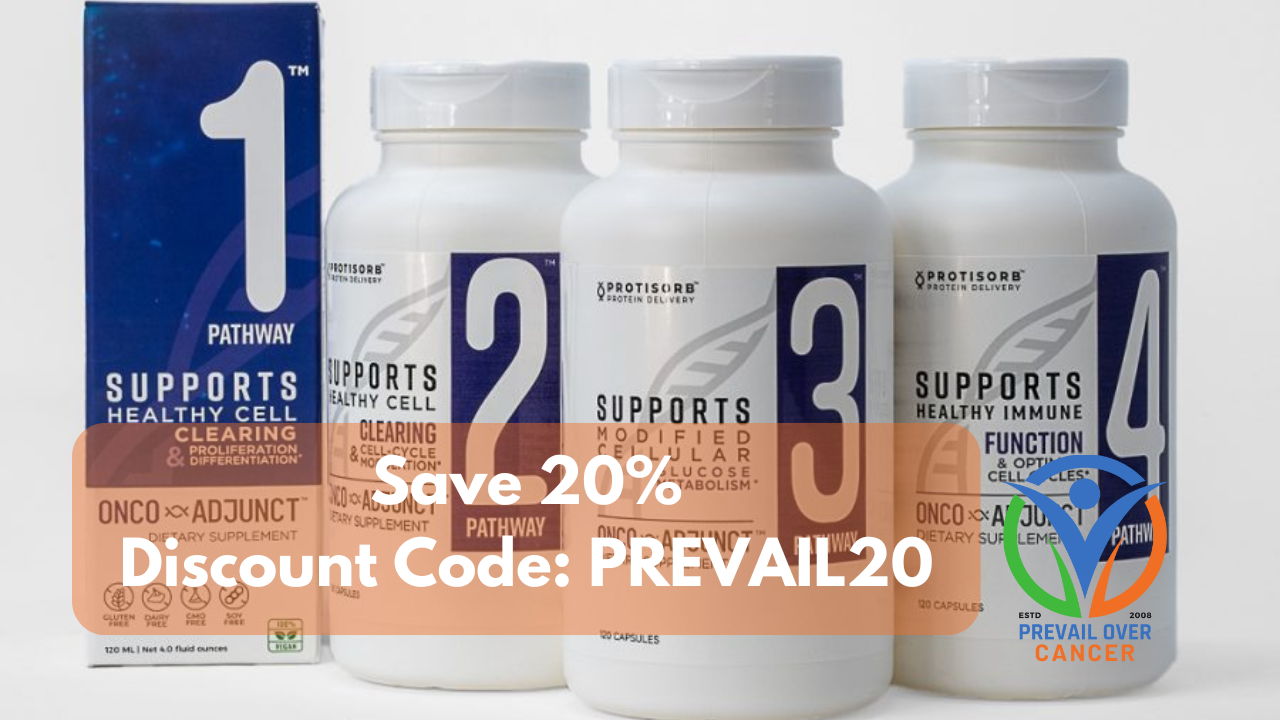
Learn about ProtiSorb™ enhanced polyphenol absorption.
Brazil Nuts and Cancer
Brazil nuts are uniquely high in selenium. Higher dietary selenium intake is associated with a reduced risk of several cancers, as listed below.
Research shows that Brazil nuts, when combined with other tree nuts, reduce the risk of many cancers. One study found that each 20-gram increase in tree nuts decreases the risk of cancer by 10%. I didn’t find any specific research on the cancer risk of Brazil nuts. Research shows that humans who consume Brazil nuts have lower levels of several markers in the body related to cancer.
A few Brazil nuts with other tree nuts, for a total of 1 Palm’s worth, is an integral part of my Cancer Food Tactics Outline. The Palm Rule for Cancer Foods and the Cancer Food Tactics Outline are in the learning center on our website.
Higher selenium intake is associated with a reduced risk of:
- Breast cancer
- Prostate cancer
- Bladder cancer
- Colon cancer
- Esophageal cancer
- Colorectal cancer
- Lung cancer
- liver cancer
- Lymphoma
- Ovarian cancer
- Glioblastoma (brain cancer)
How to Test For Selenium
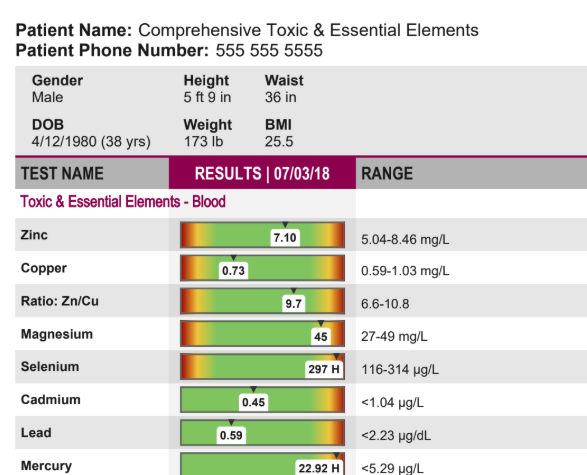
You can test for selenium levels in your body with the ZRT Laboratory Comprehensive Toxic & Essential Elements Profile. Tap or click on here or on the following graphic to learn more.
Nuts – Should we refrigerate?
Storing nuts at room temperature allows oxidation (damage) to beneficial oils, fats, and antioxidant phenols to occur more quickly than when refrigerated. So, if you buy nuts in bulk like Jeff and I do, it’s better to refrigerate them.
Don’t Eat These 5 Nuts!
If you’ve seen my posts, read my Nuts and Cancer Blog, or downloaded my Cancer Food Tactics you know I’m a big fan of nuts. They are packed full of anti-cancer ingredients, fiber, and protein. I enjoy a palm’s worth, according to my Palm Rule for Cancer Foods eReport, most days for a snack. Just 1 oz 30 grams of nuts a day is associated with a 21% reduced risk of dying from cancer.
But I do have a concern about a few nuts. Acorns, chestnuts, and tamarind are too high in their glycemic index and glycemic load. That means if you eat a palm’s worth, your blood glucose could go a little high for my Pulsed Metabolic Cancer Tactics™.
Chewing betel and areca nuts is very well known to increase the risk of oral cancers.
Nut Preparation for Cancer Preparation
Roasting is often done to enhance color, flavor, and crunchiness. Roasting may reduce the antioxidant levels in some nuts, such as walnuts and hazelnuts. But pistachio and almond nuts may retain their antioxidant levels during dry roasting.[xxv] [xxvi]
Raw nuts are typically the best option. Dry-roasted nuts are your best option. Less expensive roasted nuts are often deep-fried. If you see other oils and fats listed on the ingredients label, they may have been used for frying. I avoid fried nuts. Unsalted nuts are a better option, as some cancer research suggests a high salt diet may increase the risk of gastric cancer.
Peanuts are not really nuts. They are legumes. Peanuts and legumes reduce the risk of cancer. Nut butters without added sugars are a great way to increase your protein and nut consumption.
How many nuts reduce the risk of cancer?
I enjoy a 1 Palm worth, according to the Palm Rule for Cancer Foods, most days. Brazil nuts have a lot of selenium, an anticancer mineral, so I typically enjoy one or two daily with my other nuts. An excessive amount of nuts may provide too many calories and lead to body fat gain. Body fat increases inflammation and the risk of cancer.
 `
`
Nut Cancer Concerns:
The betel nut raises concerns about the BRCA1 challenge in an animal medical study and in a dietary survey of head and neck squamous cell carcinoma and esophageal cancer.[xxvii] [xxviii]
Improperly stored and processed nuts may be a source of aflatoxins. Aflatoxin consumption increases the risk of liver cancer.[xxix] Do not consume nuts that have mold or dark stains on them.
Some people may have an allergy or sensitivity to nuts. I rotate nuts, eat a different one each day to help reduce the risk of sensitivities. 
Cancer Prevention is Cancer Treatment™️
Reference Sources Include
[i] Fan N, Fusco JL, Rosenberg DW. Antioxidant and Anti-Inflammatory Properties of Walnut Constituents: Focus on Personalized Cancer Prevention and the Microbiome. Antioxidants (Basel). 2023;12(5):982. Published 2023 Apr 22. doi:10.3390/antiox12050982 https://www.ncbi.nlm.nih.gov/pmc/articles/PMC10215340/
[ii] Hadi A, Asbaghi O, Kazemi M, Khadem Haghighian H, Ghaedi E. Effects of pistachios on glycaemic control: a systematic review and meta-analysis of randomised controlled trials. Br J Nutr. 2023;129(10):1693-1702. doi:10.1017/S0007114522002100
[iii] Fan N, Fusco JL, Rosenberg DW. Antioxidant and Anti-Inflammatory Properties of Walnut Constituents: Focus on Personalized Cancer Prevention and the Microbiome. Antioxidants (Basel). 2023;12(5):982. Published 2023 Apr 22. doi:10.3390/antiox12050982 https://www.ncbi.nlm.nih.gov/pmc/articles/PMC10215340/
[iv] Hardman WE, Primerano DA, Legenza MT, Morgan J, Fan J, Denvir J. Dietary walnut altered gene expressions related to tumor growth, survival, and metastasis in breast cancer patients: a pilot clinical trial. Nutr Res. 2019;66:82-94. doi:10.1016/j.nutres.2019.03.004 https://www.ncbi.nlm.nih.gov/pmc/articles/PMC6853029/
[v] Naghshi S, Sadeghian M, Nasiri M, Mobarak S, Asadi M, Sadeghi O. Association of Total Nut, Tree Nut, Peanut, and Peanut Butter Consumption with Cancer Incidence and Mortality: A Comprehensive Systematic Review and Dose-Response Meta-Analysis of Observational Studies. Adv Nutr. 2021;12(3):793-808. doi:10.1093/advances/nmaa152 https://www.ncbi.nlm.nih.gov/pmc/articles/PMC8166551/
[vi] Balakrishna R, Bjørnerud T, Bemanian M, Aune D, Fadnes LT. Consumption of Nuts and Seeds and Health Outcomes Including Cardiovascular Disease, Diabetes and Metabolic Disease, Cancer, and Mortality: An Umbrella Review. Adv Nutr. 2022;13(6):2136-2148. doi:10.1093/advances/nmac077 https://www.ncbi.nlm.nih.gov/pmc/articles/PMC9776667/
[vii] Cao C, Gan X, He Y, et al. Association between nut consumption and cancer risk: a meta-analysis. Nutr Cancer. 2023;75(1):82-94. doi:10.1080/01635581.2022.2104880 https://www.tandfonline.com/doi/abs/10.1080/01635581.2022.2104880
[viii] Huang MC, Huang TT, Feng HC, Chen IC, Chang CI, Wang TN, Kuo WH, Wang MY, Tsai LW, Li SY, Huang CS, Lu YS, Lin CH. Lifestyle Factors and Energy Intakes with Risks of Breast Cancer among Pre- and Post- Menopausal Women in Taiwan. Nutrients. 2023 Sep 7;15(18):3900. doi: 10.3390/nu15183900. PMID: 37764684; PMCID: PMC10534793.
https://www.ncbi.nlm.nih.gov/pmc/articles/PMC10534793/
[ix] Bolling BW, Aune D, Noh H, Petersen KS, Freisling H. Dried Fruits, Nuts, and Cancer Risk and Survival: A Review of the Evidence and Future Research Directions. Nutrients. 2023;15(6):1443. Published 2023 Mar 16. doi:10.3390/nu15061443 https://www.ncbi.nlm.nih.gov/pmc/articles/PMC10051070/
[x] Ziouziou I, Touzani AM, Lahlou L, et al. Association of Prostate Cancer with Nuts, Seeds, Alcohol and Processed Meats: A Worldwide Population-Based Study. Nutr Cancer. 2021;73(11-12):2538-2545. doi:10.1080/01635581.2020.1841250 https://www.tandfonline.com/doi/abs/10.1080/01635581.2020.1841250
[xi] Soriano-Hernandez AD, Madrigal-Perez DG, Galvan-Salazar HR, et al. The protective effect of peanut, walnut, and almond consumption on the development of breast cancer. Gynecol Obstet Invest. 2015;80(2):89-92. doi:10.1159/000369997
[xii] Glei M, Ludwig D, Lamberty J, Fischer S, Lorkowski S, Schlörmann W. Chemopreventive Potential of Raw and Roasted Pistachios Regarding Colon Carcinogenesis. Nutrients. 2017;9(12):1368. Published 2017 Dec 18. doi:10.3390/nu9121368
[xiii] Fan N, Fusco JL, Rosenberg DW. Antioxidant and Anti-Inflammatory Properties of Walnut Constituents: Focus on Personalized Cancer Prevention and the Microbiome. Antioxidants (Basel). 2023;12(5):982. Published 2023 Apr 22. doi:10.3390/antiox12050982 https://www.ncbi.nlm.nih.gov/pmc/articles/PMC10215340/
[xiv] Park SK, Oh CM, Ryoo JH, Jung JY. The protective effect of peanuts, pine nuts and almonds on gastric intestinal metaplasia in Korean men. Nutr Bull. 2022;47(2):208-216. doi:10.1111/nbu.12555
[xv] Hu Y, McIntosh GH, Le Leu RK, et al. Supplementation with Brazil nuts and green tea extract regulates targeted biomarkers related to colorectal cancer risk in humans. Br J Nutr. 2016;116(11):1901-1911. doi:10.1017/S0007114516003937 https://www.eurekaselect.com/article/71914
[xvi] Soriano-Hernandez AD, Madrigal-Perez DG, Galvan-Salazar HR, et al. The protective effect of peanut, walnut, and almond consumption on the development of breast cancer. Gynecol Obstet Invest. 2015;80(2):89-92. doi:10.1159/000369997
[xvii] Wang C, Gu K, et al., Nut consumption in association with overall mortality and recurrence/disease-specific mortality among long-term breast cancer survivors. Int J Cancer. 2022 Feb 15;150(4):572-579 https://onlinelibrary.wiley.com/doi/pdfdirect/10.1002/ijc.33824#:~:text=This%20large%20cohort%20study%20found%20that%20nut%20consumption,cancer%20than%20those%20with%20stage%20III-IV%20breast%20cancer.
[xviii] Fan N, Fusco JL, Rosenberg DW. Antioxidant and Anti-Inflammatory Properties of Walnut Constituents: Focus on Personalized Cancer Prevention and the Microbiome. Antioxidants (Basel). 2023 Apr 22;12(5):982. doi: 10.3390/antiox12050982. PMID: 37237848; PMCID: PMC10215340. https://www.ncbi.nlm.nih.gov/pmc/articles/PMC10215340/
[xix] Lee J, Shin A, Oh JH, Kim J. The relationship between nut intake and risk of colorectal cancer: a case control study. Nutr J. 2018;17(1):37. Published 2018 Mar 7. doi:10.1186/s12937-018-0345-y
[xx] Cao C, Gan X, He Y, et al. Association between nut consumption and cancer risk: a meta-analysis. Nutr Cancer. 2023;75(1):82-94. doi:10.1080/01635581.2022.2104880 https://www.tandfonline.com/doi/abs/10.1080/01635581.2022.2104880
[xxi] Qin X, Chen J, Jia G, Yang Z. Dietary Factors and Pancreatic Cancer Risk: An Umbrella Review of Meta-Analyses of Prospective Observational Studies. Adv Nutr. 2023;14(3):451-464. doi:10.1016/j.advnut.2023.02.004 https://www.ncbi.nlm.nih.gov/pmc/articles/PMC10201674/
[xxii] Ziouziou I, Touzani AM, Lahlou L, et al. Association of Prostate Cancer with Nuts, Seeds, Alcohol and Processed Meats: A Worldwide Population-Based Study. Nutr Cancer. 2021;73(11-12):2538-2545. doi:10.1080/01635581.2020.1841250 https://www.tandfonline.com/doi/abs/10.1080/01635581.2020.1841250
[xxiii] Teng C, Zheng S, Wan W, et al. Fatty foods and the risk of bladder cancer: A case-control study. Nutrition. 2023;106:111868. doi:10.1016/j.nut.2022.111868 https://www.sciencedirect.com/science/article/pii/S0899900722002817?via%3Dihub
[xxiv] Maddineni G, Xie JJ, Brahmbhatt B, Mutha P. Diet and carcinogenesis of gastric cancer. Curr Opin Gastroenterol. 2022;38(6):588-591. doi:10.1097/MOG.0000000000000875
[xxv] Chang S.K., Alasalvar C., Bolling B.W., Shahidi F. Nuts and their co-products: The impact of processing (roasting) on phenolics, bioavailability, and health benefits—A comprehensive review. J. Funct. Foods. 2016;26:88–122. doi: 10.1016/j.jff.2016.06.029.
[xxvi] Ojeda-Amador R.M., Trapani S., Fregapane G., Salvador M.D. Phenolics, tocopherols, and volatiles changes during virgin pistachio oil processing under different technological conditions. Eur. J. Lipid Sci. Technol. 2018;120:180–221. doi: 10.1002/ejlt.201800221.
[xxvii] Barsouk A, Aluru JS, Rawla P, Saginala K, Barsouk A. Epidemiology, Risk Factors, and Prevention of Head and Neck Squamous Cell Carcinoma. Med Sci (Basel). 2023 Jun 13;11(2):42. doi: 10.3390/medsci11020042. PMID: 37367741; PMCID: PMC10304137. https://www.ncbi.nlm.nih.gov/pmc/articles/PMC10304137/
[xxviii] Lee HP, Lee CC. Prognostic stratification of oropharyngeal cancer patients in a betel nut chewing and low HPV area. J Otolaryngol Head Neck Surg. 2023 Apr 20;52(1):27. doi: 10.1186/s40463-023-00632-x. PMID: 37081578; PMCID: PMC10116661. https://www.ncbi.nlm.nih.gov/pmc/articles/PMC10116661/
[xxix] Dini A, Esmaeili Nadimi A, Behmaram K. The Effect of Monitoring System on Risk Assessment of Aflatoxins in Iran's Pistachio Nuts Exported to the E.U. During 2012 - 2018. Iran J Pharm Res. 2022;21(1):e123951. Published 2022 Apr 5. doi:10.5812/ijpr.123951
Hu Y, McIntosh GH, Le Leu RK, et al. Supplementation with Brazil nuts and green tea extract regulates targeted biomarkers related to colorectal cancer risk in humans. Br J Nutr. 2016;116(11):1901-1911. doi:10.1017/S0007114516003937
Tu K, Liu K, Wang Y, Jiang Y, Zhang C. Association of Dietary Intake of Zinc and Selenium with Breast Cancer Risk: A Case-Control Study in Chinese Women. Nutrients. 2023;15(14):3253. Published 2023 Jul 22. doi:10.3390/nu15143253
Long J, Ji Z, Yuan P, et al. Nut Consumption and Risk of Cancer: A Meta-analysis of Prospective Studies. Cancer Epidemiol Biomarkers Prev. 2020;29(3):565-573. doi:10.1158/1055-9965.EPI-19-1167
Rabadán A, Álvarez-Ortí M, Pardo JE, Alvarruiz A. Storage stability and composition changes of three cold-pressed nut oils under refrigeration and room temperature conditions. Food Chem. 2018;259:31-35. doi:10.1016/j.foodchem.2018.03.098
Carrasco-Del Amor AM, Aguayo E, Collado-González J, et al. Impact of packaging atmosphere, storage and processing conditions on the generation of phytoprostanes as quality processing compounds in almond kernels. Food Chem. 2016;211:869-875. doi:10.1016/j.foodchem.2016.05.132
Yang J, Wang ZY, Huang L, et al. Do betel quid and areca nut chewing deteriorate prognosis of oral cancer? A systematic review, meta-analysis, and research agenda. Oral Dis. 2021;27(6):1366-1375. doi:10.1111/odi.13456
Author

Keith Bishop
Clinical Nutritionist, Cancer Coach, Retired Pharmacist, Author
Keith Bishop founded Prevail Over Cancer and is a passionate advocate for cancer awareness and research. With a background in pharmacy and clinical nutrition I’m dedicated to providing insightful and empowering information to help clients, survivors, and caregivers navigate their journey. From personal experiences and a commitment to holistic health, Keith aims to inspire and support the cancer community through comprehensive and accessible content.
Join over 8,000 subscribers!
Get access to Keith's Prevail Over Cancer Newsletter with news, blogs, and updates!
Recent Posts
Blog Post Topics
All Categories- microbiome modulation in oncology
25 hydroxyvitamin d cancer prevention
active hexose correlated compound
akkermansia and chemotherapy synergy
akkermansia and gastric cancer
akkermansia and radiation therapy
akkermansia muciniphila and cancer