
Astaxanthin and Cancer: The Science Behind Nature's Most Powerful Anticancer Carotenoid
A Peer-Reviewed Clinical Guide for Clinicians and Patients on Astaxanthin's Anticancer Mechanisms, Natural Sources, and Therapeutic Integration
Researched and written by Keith Bishop, Clinical Nutritionist, Cancer Coach, Integrative Cancer Educator, Retired Pharmacist, and Founder of Prevail Over Cancer and the Prevail Protocol.
Key Takeaways
- Astaxanthin (ASX) is a keto-carotenoid derived primarily from the microalga Haematococcus pluvialis and marine seafood, with antioxidant potency up to 100 times greater than vitamin E.
- Peer-reviewed research documents nine distinct anticancer mechanisms, including NF-κB suppression, Nrf2 activation, induction of apoptosis, STAT3 inhibition, and anti-metastatic activity.
- Preclinical evidence spans breast, colon, liver, prostate, lung, leukemia, melanoma, gastric, and oral cancers.
- Emerging 2024–2025 research identifies new mechanisms, including modulation of the gut microbiota and targeting of the USP39/β-catenin pathway in hepatocellular carcinoma.
- Natural astaxanthin from H. pluvialis (3S,3'S stereoisomer) in oil-based softgel form is the preferred clinical formulation, taken with a fat-containing meal.
- Human clinical trials specifically in cancer populations remain limited; evidence is primarily preclinical. Always coordinate with the patient's oncology team.
Table of Contents
- Introduction: Why Astaxanthin Belongs in Integrative Oncology
- What Is Astaxanthin? Molecular Structure and Key Properties
- Natural Sources of Astaxanthin: From Microalgae to Seafood
- Natural vs. Synthetic Astaxanthin: Why the Difference Matters Clinically
- Astaxanthin Anticancer Mechanisms: 9 Pathways Supported by Research
- What Cancers Has Astaxanthin Been Studied Against?
- Emerging Research: Gut Microbiota, Immunity, and New 2025 Findings
- How to Integrate Astaxanthin Into an Integrative Cancer Program
- Astaxanthin Safety Profile and Drug Interaction Considerations
- Current Limitations and Future Research Directions
- Clinical Practice Summary
- Frequently Asked Questions About Astaxanthin and Cancer
- References
Chapter 1: Introduction — Why Astaxanthin Belongs in Integrative Oncology
In integrative oncology, few natural compounds have attracted as much peer-reviewed scientific attention as astaxanthin. This deep-red, fat-soluble xanthophyll carotenoid is earning a firm place in evidence-informed cancer programs for its potent antioxidant, anti-inflammatory, and anti-proliferative properties — and unlike many nutraceuticals with modest or single-pathway data, astaxanthin has been evaluated across a wide spectrum of cancer types with consistent, multi-mechanistic findings.
A landmark 2025 systematic review published in Oncology Letters (Copat et al., Biomedical Reports, 2025) identified multiple distinct molecular mechanisms by which astaxanthin exerts antitumor effects — from inducing apoptosis and inhibiting metastasis to modulating key oncogenic pathways. The same year, a study in Scientific Reports (Li et al., 2025) reported a novel mechanism: astaxanthin inhibits hepatocellular carcinoma by targeting USP39-mediated β-catenin stabilization — a finding that adds a new dimension to its already impressive mechanistic profile.
For integrative healthcare practitioners, this post provides a clinically grounded, fully referenced review of astaxanthin's anticancer science — what it is, where it comes from, how it works against cancer, and how to apply it thoughtfully in a comprehensive cancer care program.
Chapter 2: What Is Astaxanthin? Molecular Structure and Key Properties
Astaxanthin (C₄₀H₅₂O₄) is a keto-carotenoid belonging to the xanthophyll subclass of the carotenoid family. It is structurally distinguished from other carotenoids by the presence of keto and hydroxyl functional groups at both ends of its polyene chain. This unique molecular architecture allows astaxanthin to span the full width of cell membranes — both the outer and inner phospholipid layers — providing antioxidant protection across the entire lipid bilayer. This is a capability that beta-carotene and most other carotenoids simply cannot replicate.
Two clinical distinctions make astaxanthin especially valuable in oncology settings:
No provitamin A activity. Astaxanthin does not convert to retinol in the body, eliminating concerns about vitamin A toxicity at therapeutic doses.
No prooxidant behavior. Unlike beta-carotene — which exhibits prooxidant effects at high concentrations and under high oxygen tension, a documented concern for smokers — astaxanthin functions as a pure antioxidant that does not exhibit prooxidant activity even at elevated doses. This makes it uniquely safe as an antioxidant intervention in cancer populations where oxidative conditions are common.
Antioxidant Potency: The Numbers That Matter
In singlet oxygen quenching studies, astaxanthin has demonstrated antioxidant potency approximately 10 times greater than other carotenoids in the same family, 100 times greater than vitamin E (alpha-tocopherol), and up to 550 times greater than vitamin E in peroxyl radical elimination assays (Shimidzu, Goto, Miki, Fisheries Science, 1996). These findings have been replicated across multiple methodologies and remain foundational to understanding astaxanthin's clinical utility.
Chapter 3: Natural Sources of Astaxanthin — From Microalgae to Seafood
Astaxanthin is biosynthesized by microorganisms and accumulates through the marine food chain. Understanding its primary sources is clinically important for guiding both dietary recommendations and supplement selection.
Haematococcus pluvialis: The Richest Natural Source
The freshwater green microalga Haematococcus pluvialis is the richest known natural source of astaxanthin, producing concentrations far exceeding any other biological source. Under conditions of environmental stress — nutrient deprivation, high light intensity, or salinity changes — H. pluvialis accumulates astaxanthin as a protective photooxidative shield, reaching concentrations of 1.5–5% of its dry weight. Studies confirm that H. pluvialis can produce more astaxanthin than other known industrial strains such as Chromochloris zofigensis and Chlorococcum sp. (IJHES, 2024). This biological stress response is the basis for commercial astaxanthin production.
H. pluvialis-derived astaxanthin consists predominantly of the 3S,3'S stereoisomer — the naturally occurring configuration found in humans and considered the biologically active form.
Marine Dietary Sources of Astaxanthin
The characteristic pink-red pigmentation of salmon, trout, shrimp, krill, crab, and lobster is derived from dietary astaxanthin accumulation. Key marine sources include:
- Wild sockeye salmon — highest astaxanthin concentration among commonly consumed fish
- Antarctic krill (Euphausia superba) — also the source of krill oil supplements
- Arctic shrimp and red crab
- Lobster and other crustaceans
- Rainbow trout
An important clinical note: farmed Atlantic salmon typically receive synthetic astaxanthin — predominantly a racemic mixture — which may differ in biological activity from natural astaxanthin. When counseling patients about dietary sources, distinguishing between wild-caught and farmed species is clinically meaningful.
Chapter 4: Natural vs. Synthetic Astaxanthin — Why the Difference Matters Clinically
The synthetic form of astaxanthin — derived from petrochemical precursors — is a racemic mixture containing stereoisomers (3R,3'R and 3R,3'S) not found in natural sources. Research indicates that the natural 3S,3'S form from H. pluvialis demonstrates superior biological activity and bioavailability. The antioxidant capacity of natural astaxanthin produced by H. pluvialis has been shown to exceed that of synthetic forms in comparative studies (IJHES, 2024).
For clinical applications in cancer care, natural astaxanthin from H. pluvialis or marine sources is strongly preferred over synthetic forms. When practitioners review product labels, they should look specifically for H. pluvialis as the declared source.
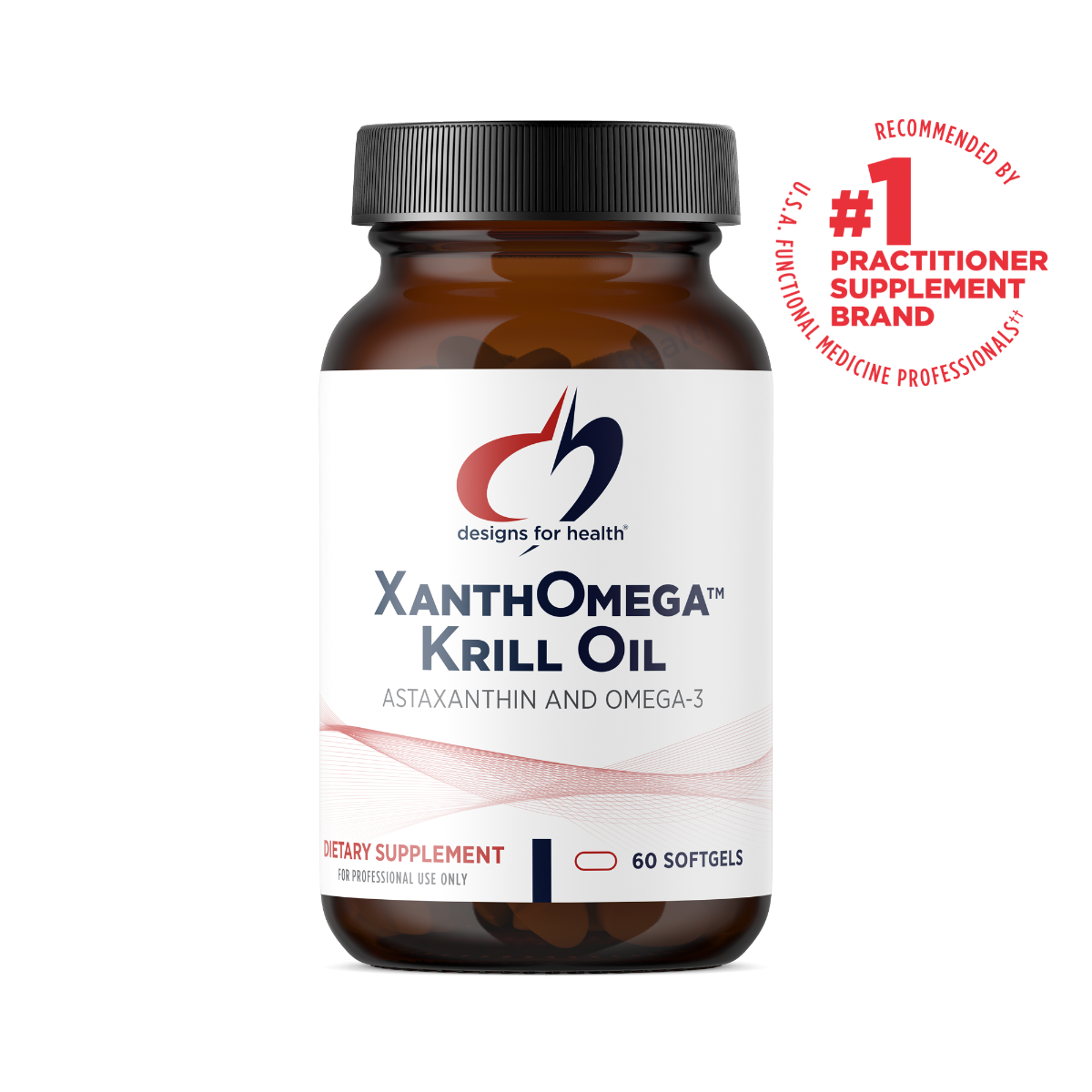
There are a couple of Astaxanthin options:
Astaxanthin 12 mg Capsules or Krill Oil with Astaxanthin 12mg. I take XanthOmega so I can get my omega-3 from krill and astaxanthin. Here are a couple of the options.
Krill Oil with 12 mg of Astaxanthin
Combines omega‑3 fatty acids, krill oil, and astaxanthin to support the body’s antioxidant status and promote a healthy inflammatory response.* Learn more about XanthOmega Krill Oil.
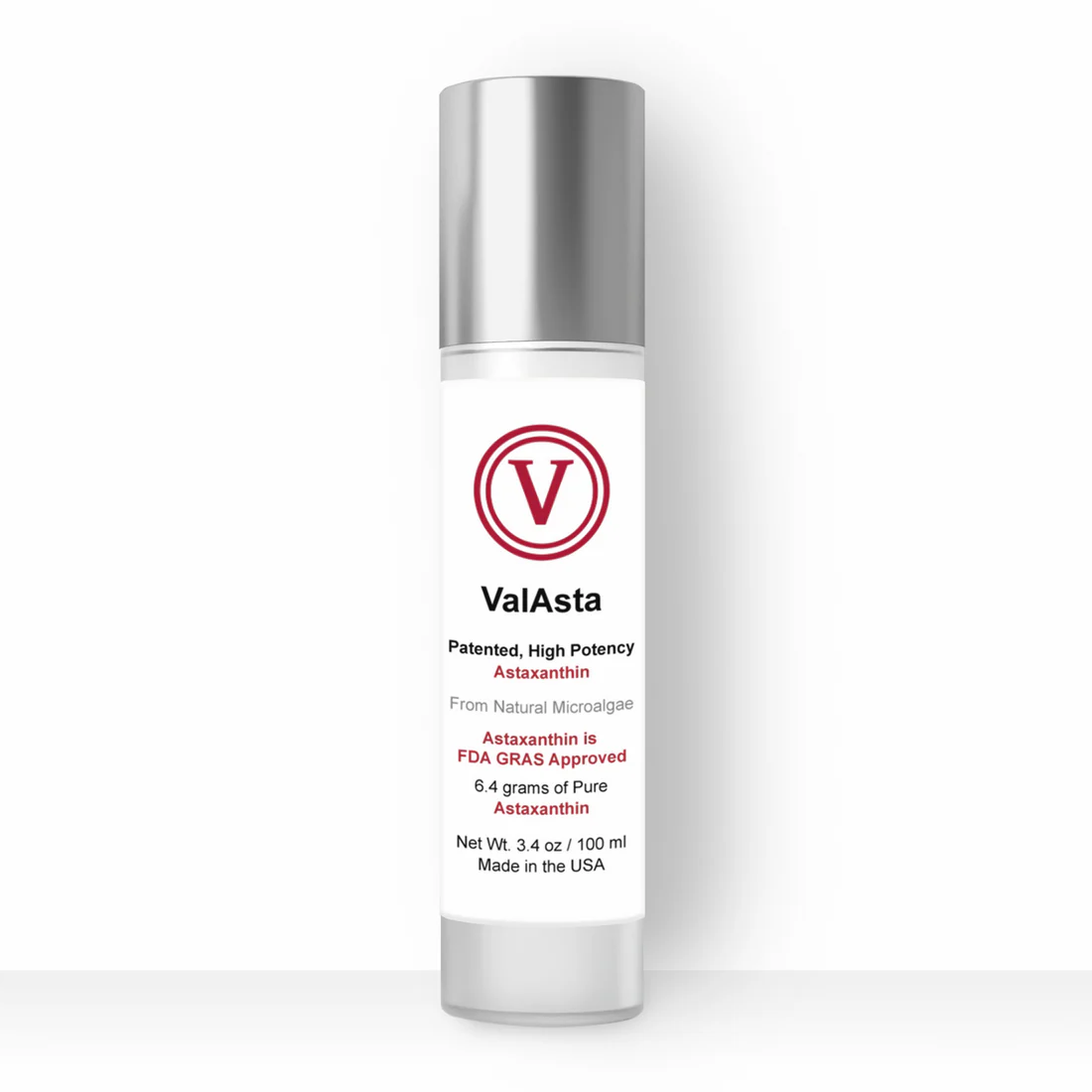
ValAsta Liquid Astaxanthin with OLIVE Oil 100mL - Certified Kosher Pareve
100 doses per pump container
Learn more about ValAsta
Chapter 5: Astaxanthin Anticancer Mechanisms — 9 Pathways Supported by Research
The mechanistic evidence for astaxanthin's anticancer activity is multi-targeted, affecting numerous pathways involved in tumor initiation, proliferation, metastasis, and survival. The 2025 review by Copat et al. in Biomedical Reports — which synthesized in vitro and in vivo evidence across the nervous system, breast, and gastrointestinal cancers — reinforces the multi-pathway picture established by Faraone et al. in Pharmacological Research (2020).
Mechanism 1: Potent Antioxidant Defense Against DNA Damage
Reactive oxygen species (ROS) are a primary driver of oncogenic DNA mutations. Astaxanthin's superior singlet oxygen quenching and free radical scavenging capabilities protect DNA from oxidative damage — a critical mechanism in cancer prevention. Astaxanthin has been shown to reduce malondialdehyde (a biomarker of lipid peroxidation) and upregulate endogenous antioxidant enzymes, including superoxide dismutase (SOD), catalase, and glutathione peroxidase (GPx). In vivo breast cancer models using 4T1 cell-injected mice confirmed increased SOD activity and reduced oxidative stress markers following astaxanthin treatment (Shokrian Zeini et al., Current Medicinal Chemistry, 2025).
Mechanism 2: Nrf2 Pathway Activation — The Master Antioxidant Switch
Astaxanthin is a potent activator of the Nrf2/Keap1/ARE signaling pathway — the master regulator of cellular antioxidant defense. A 2022 review by Davinelli et al. in Molecules documented that astaxanthin promotes nuclear translocation of Nrf2 and upregulates downstream targets, including heme oxygenase-1 (HO-1), SOD1, NQO1, and glutamate-cysteine ligase. In cancer biology, Nrf2 activation neutralizes the oxidative microenvironment that promotes tumor progression and enhances the cell's capacity to detoxify carcinogens and xenobiotics. Critically, evidence shows that astaxanthin activates Nrf2, which simultaneously suppresses NF-κB — creating a powerful dual anti-inflammatory and antioxidant effect.
Mechanism 3: NF-κB Suppression — Targeting the Inflammatory Driver of Cancer
Overexpression of nuclear factor kappa B (NF-κB) is observed across a wide range of tumor types and is associated with cancer progression, metastasis, chemotherapy resistance, and poor prognosis. Astaxanthin stabilizes IκB-α — the inhibitory protein that prevents NF-κB from entering the nucleus — blocking nuclear translocation of NF-κB p65 and suppressing pro-inflammatory gene expression. Research documents astaxanthin's inhibition of NF-κB in hepatocellular carcinoma cells, oral cancer models, and colorectal cancer (Faraone et al., 2020; Copat et al., 2025).
Mechanism 4: Apoptosis Induction — Triggering Programmed Cancer Cell Death
Astaxanthin promotes programmed cell death (apoptosis) in multiple cancer cell lines by regulating key apoptotic proteins. Peer-reviewed studies document:
- Downregulation of anti-apoptotic proteins Bcl-2, survivin, and p-Bad
- Upregulation of pro-apoptotic proteins Bax, Bad, and PARP
- Increased expression of caspase-3 and caspase-9 (executioner caspases)
- Reduction of EGFR expression, interfering with EGF-mediated survival signaling
In vivo breast cancer models confirmed upregulation of Bax and Caspase-3 gene expression, alongside downregulation of Bcl-2, following astaxanthin treatment at 100 and 200 mg/kg (Shokrian Zeini et al., 2025). Colorectal adenocarcinoma (LS-180) cells treated with astaxanthin showed dose-dependent apoptosis via increased Bax/Caspase-3 and decreased Bcl-2 expression.
Mechanism 5: Antiproliferative Effects and Cell Cycle Arrest
Astaxanthin exerts antiproliferative effects by modulating cell cycle regulators. In breast cancer (SKBR3 cells), astaxanthin inhibited cell cycle progression in the G0/G1 phase in a dose-dependent manner, reducing expression of HER2 and other oncogenic proteins. In prostate cancer (DU145 aggressive cell line), astaxanthin suppressed proliferation and reduced STAT3 expression at both mRNA and protein levels. A notable finding from the IJHES 2024 review: astaxanthin's anti-proliferative effects are more pronounced in cancer cells than in normal cells — a selectivity that enhances its clinical safety profile.
Mechanism 6: STAT3 Inhibition — Blocking a Key Cancer Survival Signal
Signal Transducer and Activator of Transcription 3 (STAT3) is constitutively activated in many human cancers and plays a central role in tumor formation by governing cell survival, proliferation, and angiogenesis. Research on aggressive prostate cancer (DU145 cells) demonstrated that astaxanthin reduces STAT3 expression and its downstream signaling molecules, leading to decreased cloning ability, increased apoptosis, and impaired migration and invasion. Additional research shows that astaxanthin inhibits JAK/STAT-3 signaling, thereby abrogating cell proliferation, invasion, and angiogenesis in oral cancer models (Kowshik et al., IUBMB Life, 2019).
Mechanism 7: Anti-Metastatic Activity — Blocking Cancer's Spread
Cancer metastasis requires degradation of the extracellular matrix, epithelial-mesenchymal transition, and migration through tissue barriers. Astaxanthin has demonstrated significant anti-metastatic activity across multiple models:
- Reduces expression of matrix metalloproteinases MMP-1, MMP-2, and MMP-9 — enzymes essential for extracellular matrix breakdown
- Suppresses cancer cell migration in wound-healing and invasion assays
- Inhibits integrin α5 expression, impairing cell adhesion and migration
- In melanoma cell lines (A375 and A20558), MMP-1, MMP-2, and MMP-9 expression decreased significantly following astaxanthin treatment (IJHES, 2024)
- Triggers apoptotic caspases in in vitro and in vivo melanoma models (Chen et al., Journal of Functional Foods, 2017)
Mechanism 8: Chemosensitization — Enhancing the Power of Conventional Therapy
One of the most clinically significant findings in the astaxanthin literature is its ability to sensitize cancer cells to conventional chemotherapy. Key preclinical findings include:
- Breast cancer cells co-treated with astaxanthin and low-dose doxorubicin showed significantly reduced cell viability compared to doxorubicin alone (Faraone et al., 2020)
- Lung cancer cell lines treated with astaxanthin combined with pemetrexed showed improved cancer-cell killing
- Combination with mitomycin C produced synergistic reductions in lung cancer cell viability
- Astaxanthin combined with sorafenib enhanced antitumor immune response and therapeutic efficacy in hepatocellular carcinoma tumor-bearing mice (Ren et al., International Immunopharmacology, 2024)
Clinical Note for Practitioners: Chemosensitization data is primarily preclinical. Interpret these findings as hypothesis-generating and monitor this evolving literature closely. Do not substitute astaxanthin for established chemotherapy protocols. Coordination with the oncology team is essential.
Mechanism 9: Tumor Microenvironment Modulation and Immune Support
A growing body of research highlights astaxanthin's capacity to remodel the pro-tumorigenic microenvironment. Astaxanthin simultaneously activates Nrf2 while suppressing NF-κB and Wnt/β-catenin pathways — creating a dual antioxidant/anti-inflammatory effect that reduces the chronic inflammatory signals that drive cancer progression, immune evasion, and therapeutic resistance.
A particularly significant 2025 study in Scientific Reports (Li et al.) revealed that astaxanthin inhibits hepatocellular carcinoma by targeting USP39 — a deubiquitinase that stabilizes β-catenin. By suppressing USP39, astaxanthin reduces β-catenin protein stability and mRNA levels, disrupting Wnt/β-catenin signaling that drives HCC tumorigenesis and chemotherapy resistance. Additionally, a 2024 study in International Immunopharmacology (Ren et al.) demonstrated that astaxanthin modulates gut microbiota composition in tumor-bearing mice, facilitating CD8+ T lymphocyte infiltration into the tumor microenvironment and increasing Granzyme B production — strengthening the body's anti-tumor immune response. This gut-immune axis represents an entirely new dimension of astaxanthin's anticancer potential.
Chapter 6: What Cancers Has Astaxanthin Been Studied Against?
Preclinical research has documented anticancer activity across a broad range of malignancies:
- Breast cancer — MCF-7, SKBR3, MDA-MB, T47D, BT20, and 4T1 cell lines; in vivo mouse models
- Colorectal / Colon cancer — HCT-116, LS-180, HCT116 cell lines
- Hepatocellular carcinoma — LM3, SMMC-7721, HUH7, SK-HEP-1 cell lines; novel USP39/β-catenin mechanism (2025)
- Prostate cancer — DU145 aggressive cell line; STAT3 suppression documented
- Leukemia — K562 cells; most effective of carotenoids tested at 5–10 μM
- Lung cancer — pemetrexed and mitomycin C combination studies
- Melanoma — MMP suppression, apoptosis induction in A375 and A20558 lines
- Oral / Nasopharyngeal carcinoma — JAK/STAT-3 and PI3K/NF-κB/STAT3 axis studies
- Gastric carcinoma — H. pylori-associated oxidative and inflammatory pathway studies
- Glioblastoma / Nervous system cancers — emerging data on cell cycle regulation and STAT3 pathway (Copat et al., 2025)
- Urinary bladder carcinogenesis — animal model chemoprevention data
Chapter 7: Emerging Research — Gut Microbiota, Immunity, and New 2025 Findings
The frontier of astaxanthin cancer research is expanding rapidly beyond direct cytotoxic mechanisms. Two key developments from 2024–2025 are particularly noteworthy for integrative practitioners:
Gut Microbiota and Anti-Tumor Immune Response (2024)
A 2024 study published in International Immunopharmacology (Ren et al.) demonstrated that astaxanthin's adjunctive anticancer effects depend on the presence of an intact gut microbiota. When combined with sorafenib in tumor-bearing mice, astaxanthin enhanced antitumor immune response — an effect that was abolished when gut microbiota was eradicated with broad-spectrum antibiotics and restored via fecal microbiota transplantation. Astaxanthin promoted the proliferation of Akkermansia (a beneficial gut bacterium associated with enhanced immunotherapy response), stimulated cuprocyte production, enhanced intestinal mucosal immunity, and facilitated CD8+ T cell infiltration into the tumor microenvironment. This finding positions astaxanthin as a meaningful dietary immune modulator with implications for patients undergoing immunotherapy.
Novel HCC Mechanism: USP39/β-Catenin Targeting (2025)
A 2025 study in Scientific Reports (Li et al.) identified a previously unknown mechanism: astaxanthin inhibits hepatocellular carcinoma by suppressing the deubiquitinase USP39, which normally stabilizes β-catenin and keeps the Wnt/β-catenin oncogenic pathway active. By reducing USP39 activity, astaxanthin promotes β-catenin degradation, disrupting a pathway central to HCC tumorigenesis, metastasis, and sorafenib resistance. This mechanistic specificity adds precision to our understanding of how astaxanthin interferes with liver cancer biology.
Chapter 8: How to Integrate Astaxanthin Into an Integrative Cancer Program
Bioavailability: The Fat-Soluble Factor
Astaxanthin is fat-soluble, and its absorption is significantly enhanced when taken with dietary fat. Practitioners should advise patients to take astaxanthin supplements with a fat-containing meal. Emulsified or oil-based soft-gel preparations generally demonstrate superior absorption compared to dry powder capsules. Nanoparticle delivery systems are an active area of development and may offer further improvements in bioavailability in future clinical applications (Copat et al., 2025).
Dosing Guidance Based on Human Safety Data
Human clinical trial safety data provide a reasonable framework for dosing, while acknowledging that most anticancer evidence remains preclinical:
- 6 mg/day for 8 weeks — no significant changes in blood parameters in healthy adults
- 20 mg/day for 4 weeks — no significant blood parameter changes
- 8 mg/day for 3 months — no digestive discomfort reported
- 40 mg/day for 4 weeks — no side effects in patients with indigestion (IJHES, 2024)
- Common clinical range in integrative oncology: 4–12 mg/day for antioxidant and anti-inflammatory support; some practitioners use 12–20 mg/day in oncology contexts with appropriate monitoring
Note: Optimal therapeutic dosing for cancer prevention or adjunctive treatment in humans has not been established through clinical trials. Doses should be individualized based on clinical context, concurrent treatments, and patient tolerance.
Formulation Selection: What to Look for on the Label
When recommending astaxanthin to patients or practitioners, these criteria should guide product selection:
- Source: Natural astaxanthin from Haematococcus pluvialis (not synthetic/petrochemical-derived)
- Stereoisomer: Products specifying the 3S,3'S natural configuration are preferred
- Delivery form: Oil-based soft gels (astaxanthin suspended in a carrier oil such as olive or sunflower) for enhanced bioavailability
- Third-party testing: Certificate of analysis confirming potency, absence of heavy metals, and microbial contaminants
- Packaging: Opaque containers — astaxanthin degrades with light and heat exposure
Dietary Sources as a Clinical Foundation
While therapeutic doses require supplementation, incorporating astaxanthin-rich whole foods provides a meaningful nutritional foundation and delivers valuable cofactors:
- Wild-caught salmon — especially wild sockeye — 2–3 times per week
- Wild-caught shrimp and crustaceans
- Antarctic krill-based omega-3 supplements — dual benefit of natural astaxanthin plus EPA and DHA
Dietary sources alone rarely achieve concentrations studied in preclinical cancer research, but they reinforce a whole-food, anti-inflammatory dietary approach that complements the broader integrative oncology program.
Synergistic Combinations
Astaxanthin's multi-targeted mechanisms suggest potential synergy with other evidence-based integrative agents. Preliminary data support exploring combinations with:
- Omega-3 fatty acids (EPA/DHA) — enhanced bioavailability and complementary anti-inflammatory effects
- Curcumin — complementary NF-κB and Nrf2 modulation
- Vitamin D3 — immune modulation and anti-proliferative synergy
- Green tea catechins (EGCG) — complementary STAT3 and PI3K inhibition
- Dietary carotenoid diversity (lycopene, lutein, zeaxanthin) — broader antioxidant spectrum
Communication With the Oncology Team
Integrative cancer practitioners must maintain open, documented communication with the patient's oncology team when recommending any supplement. Key discussion points include the chemosensitization data, timing of supplementation relative to chemotherapy or radiation cycles, and pharmacokinetic considerations. Documentation in the patient's medical record supports coordinated, safe, and legally sound integrative care.
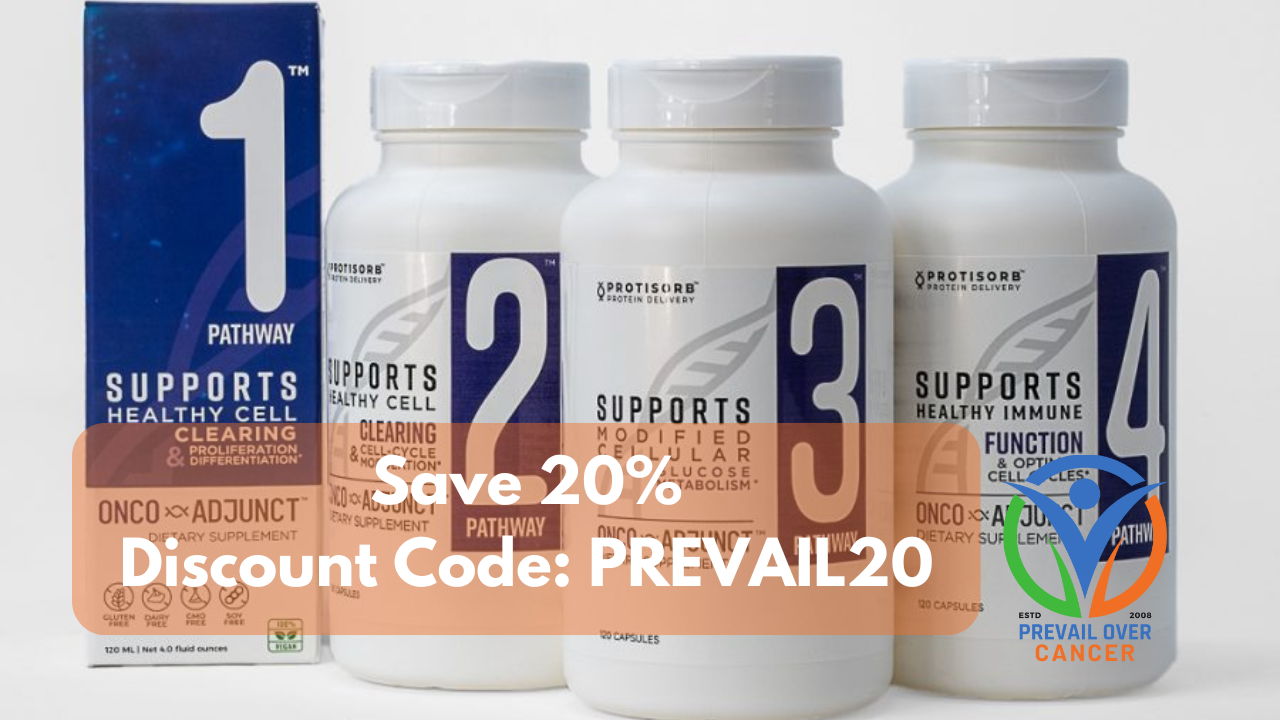
Learn about ProtiSorb™ enhanced polyphenol absorption.
Chapter 9: Astaxanthin Safety Profile and Drug Interaction Considerations
Astaxanthin has demonstrated a favorable safety profile in human studies. Side effects are generally mild and include:
- Reddish pigmentation of skin or stool at higher doses — harmless
- Mild gastrointestinal effects at very high doses
Important clinical considerations for cancer patients:
- Blood pressure: Some data suggest mild antihypertensive activity; monitor patients on antihypertensive medications
- Anticoagulants: Carotenoids may have mild antiplatelet effects; exercise caution with warfarin or anticoagulant therapy
- Hormone-sensitive cancers: Astaxanthin has demonstrated some hormonal modulating activity; clinical judgment is required in estrogen receptor-positive or androgen-sensitive malignancies
- Surgical procedures: Consider a washout period before major surgery, per oncology team guidance
- Drug interactions: Cytochrome P450 interactions remain incompletely characterized; high-dose use alongside metabolized chemotherapy agents warrants pharmacist review — a natural role for practitioners with pharmacy backgrounds
Chapter 10: Current Limitations and Future Research Directions
Practitioners must contextualize the evidence responsibly with patients and colleagues:
- The majority of anticancer evidence is from in vitro (cell culture) and in vivo (animal) studies
- Human clinical trials specifically evaluating astaxanthin as an anticancer agent are limited
- Optimal therapeutic dosing for cancer prevention or adjunctive treatment in humans has not been established
- Long-term safety at high doses requires further investigation
- Comparative studies between natural and synthetic astaxanthin forms in clinical populations are needed
- Bioavailability varies significantly across formulations; standardization is lacking
- The gut microbiota mechanism identified in 2024 requires validation in human populations
- The USP39/β-catenin pathway identified in 2025 requires confirmation through binding and structure-activity studies
Future research priorities include well-designed human clinical trials, investigation of synergistic combination protocols, and development of improved nanoparticle delivery systems for enhanced bioavailability and tumor targeting.
Chapter 11: Clinical Practice Summary
| Parameter | Details |
|---|---|
| Preferred Source | Natural astaxanthin from Haematococcus pluvialis (3S,3'S stereoisomer) |
| Formulation | Oil-based soft gel capsules are taken with a fat-containing meal |
| Clinical Dose Range | 4–20 mg/day (commonly 8–12 mg/day in integrative oncology) |
| Key Mechanisms | Antioxidant, NF-κB suppression, Nrf2 activation, apoptosis induction, STAT3 inhibition, anti-metastatic, gut microbiota modulation |
| Cancer Types (preclinical) | Breast, colon, liver (HCC), prostate, lung, leukemia, melanoma, gastric, oral, glioblastoma |
| Safety Profile | Favorable; mild pigmentation at high doses; monitor with anticoagulants and antihypertensives |
| Evidence Level | Primarily preclinical (in vitro/in vivo); limited human RCT data in cancer populations |
| Combination Potential | Omega-3s, curcumin, EGCG, vitamin D3, dietary carotenoids |
Chapter 12: Frequently Asked Questions About Astaxanthin and Cancer
What is astaxanthin, and why is it relevant to cancer? Astaxanthin is a natural keto-carotenoid derived primarily from the microalga Haematococcus pluvialis and marine seafood. It is relevant to cancer because peer-reviewed research documents nine distinct mechanisms by which it interferes with tumor biology — from suppressing inflammatory pathways like NF-κB and STAT3 to inducing cancer cell death (apoptosis) to potentially sensitizing cancer cells to chemotherapy.
What is the best natural source of astaxanthin? The microalga Haematococcus pluvialis is the richest known natural source of astaxanthin. Among foods, wild sockeye salmon contains the highest concentrations. For supplementation, natural astaxanthin from H. pluvialis in an oil-based soft gel is the preferred clinical form.
Is natural astaxanthin better than synthetic astaxanthin? Yes, based on available evidence. Natural astaxanthin consists predominantly of the 3S,3'S stereoisomer — the biological configuration found in humans — and has demonstrated superior antioxidant activity and bioavailability compared to the synthetic racemic mixture. Natural forms are strongly preferred for clinical use.
How does astaxanthin compare to other antioxidants for cancer support? Astaxanthin is up to 100 times more potent than vitamin E and 10 times more potent than other carotenoids at quenching singlet oxygen. Unlike beta-carotene, it does not become a prooxidant at high doses or under high-oxygen conditions, making it a safer antioxidant intervention in cancer care.
Can astaxanthin be used alongside chemotherapy? Preclinical research suggests astaxanthin may sensitize cancer cells to certain chemotherapy agents, including doxorubicin, pemetrexed, mitomycin C, and sorafenib. However, this data is primarily from cell and animal studies. Astaxanthin should never be used to replace conventional treatment. Any supplementation alongside chemotherapy must be discussed with and approved by the patient's oncology team.
What dose of astaxanthin is safe for cancer patients? Human safety trials support doses of 6–40 mg/day without significant adverse effects. Integrative oncology practitioners typically use 8–12 mg/day as a starting dose, with some using up to 20 mg/day in monitored oncology settings. Optimal dosing for cancer patients has not been established in clinical trials.
Does astaxanthin affect the immune system in cancer? Emerging 2024 research indicates that astaxanthin modulates gut microbiota in ways that enhance anti-tumor immune response — facilitating CD8+ T cell infiltration into the tumor microenvironment and increasing Granzyme B production. This finding is particularly relevant for patients receiving immunotherapy.
Prevail Over Cancer: Your Partner in Evidence-Based Cancer Nutrition
At Prevail Over Cancer, we help patients, caregivers, and clinicians cut through misinformation and build confidence with evidence-based, actionable strategies.
We provide:
- The Prevail Over Cancer Learning Center — free, science-backed articles and guides
https://www.prevailovercancer.com/learning-center - Cancer Nutrition Academy Courses — deep‑dive modules on anticancer foods, metabolic strategies, and terrain-based nutrition
https://www.prevailovercancer.com/academy - 1:1 Personalized Cancer Coaching — tailored guidance for patients and caregivers
https://www.prevailovercancer.com/coaching - The Prevail Over Cancer Podcast Show — expert interviews and practical insights
https://youtube.com/playlist?list=PLBC_ThCJPWZvnLxWSIVuvyCMJa0Ce5nya&si=Gka0MokzgC1Dppgx
Chapter 13: References
-
Copat C, Favara C, Tomasello MF, Sica C, Grasso A, Dominguez HG, Conti GO, Ferrante M. Astaxanthin in cancer therapy and prevention (Review). Biomedical Reports. 2025;22(4):66. doi:10.3892/br.2025.1944
-
Faraone I, Sinisgalli C, Ostuni A, et al. Astaxanthin anticancer effects are mediated through multiple molecular mechanisms: A systematic review. Pharmacological Research. 2020;155:104689. doi:10.1016/j.phrs.2020.104689
-
Davinelli S, Saso L, D'Angeli F, Calabrese V, Intrieri M, Scapagnini G. Astaxanthin as a Modulator of Nrf2, NF-κB, and Their Crosstalk: Molecular Mechanisms and Possible Clinical Applications. Molecules. 2022;27(2):502. doi:10.3390/molecules27020502
-
Li X, Xu H, Chen R, et al. Astaxanthin inhibits hepatocellular carcinoma by targeting USP39-mediated β-catenin stabilization through deubiquitination. Scientific Reports. 2025;15:40034. doi:10.1038/s41598-025-23891-2
-
Ren P, Yue H, Tang Q, Wang Y, Xue C. Astaxanthin exerts an adjunctive anti-cancer effect by modulating the gut microbiota and mucosal immunity. International Immunopharmacology. 2024;128:111553. doi:10.1016/j.intimp.2024.111553
-
Shokrian Zeini M, Pakravesh SM, Jalili Kolour SM, et al. Astaxanthin as an Anticancer Agent against Breast Cancer: An In Vivo and In Vitro Investigation. Current Medicinal Chemistry. 2025;32. doi:10.2174/0109298673282521240329113642
-
Kim HY, Kim YM, Hong S. Anti-Tumor Effects of Astaxanthin by Inhibition of the Expression of STAT3 in Prostate Cancer. PubMed Central. 2020; PMC7459748.
-
Kowshik J, Baba AB, Giri H, et al. Astaxanthin inhibits JAK/STAT-3 signaling to abrogate cell proliferation, invasion and angiogenesis in oral cancer. IUBMB Life. 2019;71:1595–1610. doi:10.1002/iub.2104
-
Chen YT, Chen CL, Yiin SJ, et al. Astaxanthin reduces MMP expressions, suppresses cancer cell migrations, and triggers apoptotic caspases in melanoma models. Journal of Functional Foods. 2017;31:20–31. doi:10.1016/j.jff.2017.01.005
-
Palozza P, Torelli C, Boninsegna A, et al. Growth-inhibitory effects of the astaxanthin-rich alga Haematococcus pluvialis in human colon cancer cells. Cancer Letters. 2009;283:108–117. doi:10.1016/j.canlet.2009.03.031
-
Donoso A, González-Durán J, Muñoz AA, González PA, Agurto-Muñoz C. Therapeutic uses of natural astaxanthin: An evidence-based review focused on human clinical trials. Pharmacological Research. 2021;166:105479. doi:10.1016/j.phrs.2021.105479
-
Astaxanthin and Cancer: A Comprehensive Review of Research. International Journal of New Findings in Health and Educational Sciences (IJHES). 2024;2(2):154–167.
-
Shimidzu N, Goto M, Miki W. Carotenoids as singlet oxygen quenchers in marine organisms. Fisheries Science. 1996;62(1):134–137.
© PrevailOverCancer.com — For Educational Purposes. Content is intended for licensed healthcare practitioners. All supplement recommendations should be coordinated with the patient's primary oncology team. This content does not constitute medical advice and is not a substitute for professional clinical judgment.
// ]]>
Author

Keith Bishop
Clinical Nutritionist, Cancer Coach, Retired Pharmacist, Author
Keith Bishop founded Prevail Over Cancer and is a passionate advocate for cancer awareness and research. With a background in pharmacy and clinical nutrition I’m dedicated to providing insightful and empowering information to help clients, survivors, and caregivers navigate their journey. From personal experiences and a commitment to holistic health, Keith aims to inspire and support the cancer community through comprehensive and accessible content.
Join over 8,000 subscribers!
Get access to Keith's Prevail Over Cancer Newsletter with news, blogs, and updates!
Recent Posts
Blog Post Topics
All Categories- microbiome modulation in oncology
25 hydroxyvitamin d cancer prevention
active hexose correlated compound
akkermansia and chemotherapy synergy
akkermansia and gastric cancer
akkermansia and radiation therapy
akkermansia muciniphila and cancer