
Why I Often Recommend Certain Herbal Supplements and Fenbendazole Before Meals
I often recommend taking Herbs, Onco-Adjunct Pathways, Stabilized R-Lipoic Acid Supreme, and Fenbendazole before meals.
Researched & written by Keith Bishop, Integrative Cancer Educator, Cancer Coach, Clinical Nutritionist, Founder of Prevail Over Cancer and the Prevail Protocol, and Retired Pharmacist.
Cancer Cells Thrive on Glucose and L-Glutamine: Insights from Dr. Thomas Seyfried
Dr. Thomas Seyfried, PhD, has extensively researched how cancer cells depend on glucose and L-glutamine for their growth and proliferation. Cancer cells exhibit altered metabolism, relying heavily on glucose (the Warburg effect) and L-glutamine (an amino acid) to fuel their rapid division and growth. By disrupting these metabolic pathways, we can effectively starve cancer cells and inhibit their growth.
The Benefits of Onco-Adjunct Pathway Supplements and L-Glutamine
Taking Onco-Adjunct Pathway 2, 3, 3+, 4, and Stabilized R-Lipoic Acid Supreme™ before meals can enhance the absorption of nutrients such as curcumin, quercetin, berberine, fermented wheat germ extract concentrate, EGCG, resveratrol, fisetin, alpha lipoic acid, and L-taurine. These supplements can slow carbohydrate absorption and reduce cancer cells' ability to use glucose for energy. Some of these nutrients also decrease the amount of L-glutamine the body can make from protein amino acids.
Curcumin Cancer and L-Glutamine
Curcumin, the active compound in turmeric, has been shown to inhibit glucose uptake in cancer cells, reducing their energy supply. Additionally, curcumin may inhibit the enzyme hexokinase II, essential for glucose metabolism, and decrease the body's production of L-glutamine.
Quercetin Cancer and L-Glutamine
Quercetin, a flavonoid found in many fruits and vegetables, can inhibit glycolysis, the metabolic pathway cancer cells rely on for energy. Quercetin also inhibits the enzyme glucose-6-phosphate dehydrogenase in the pentose phosphate pathway, crucial for cancer cell metabolism, and may reduce L-glutamine levels.
Berberine Cancer and L-Glutamine
Berberine, a plant compound, reduces glucose absorption in the intestines, lowering blood glucose levels and making it more difficult for cancer cells to obtain glucose. Berberine activates AMP-activated protein kinase (AMPK), regulating cellular energy metabolism, inhibiting glucose production in the liver, and potentially decreasing L-glutamine synthesis.
Learn How to Select a Quality Dietary Supplement
Fermented Wheat Germ Extract Cancer and L-Glutamine
Fermented wheat germ extract interferes with the metabolic pathways cancer cells use to metabolize glucose, reducing their energy supply. Additionally, this extract modulates the immune response, enhancing the body's ability to target and destroy cancer cells, and may affect L-glutamine metabolism.
EGCG (Epigallocatechin Gallate) Cancer and L-Glutamine
EGCG, a catechin found in green tea, inhibits enzymes involved in glucose metabolism, reducing glucose availability to cancer cells. EGCG also inhibits lactate dehydrogenase, which is essential for converting glucose to lactate, and may decrease L-glutamine synthesis.
Resveratrol Cancer and L-Glutamine
Resveratrol, a polyphenol found in grapes and berries, reduces glucose uptake in cancer cells and interferes with signaling pathways for glucose absorption. Resveratrol activates SIRT1, regulating cellular energy metabolism and potentially reducing L-glutamine production.
Fisetin Cancer and L-Glutamine
Fisetin, a flavonoid found in fruits and vegetables, inhibits glycolysis and reduces glucose uptake in cancer cells. Fisetin modulates genes involved in glucose metabolism, reducing cancer cells' ability to utilize glucose and potentially affecting L-glutamine levels.
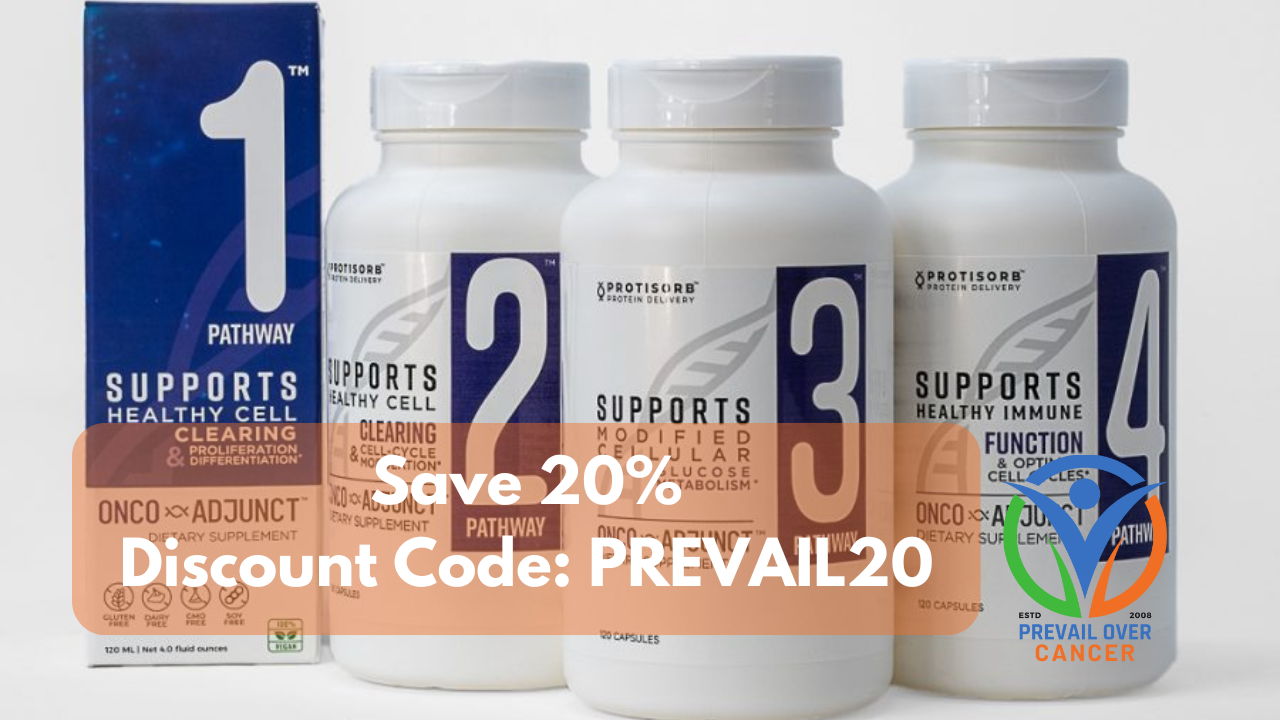
Learn about ProtiSorb™ enhanced polyphenol absorption.
Alpha Lipoic Acid Cancer and L-Glutamine
Alpha lipoic acid improves insulin sensitivity and reduces blood glucose levels. By enhancing insulin sensitivity, alpha lipoic acid regulates glucose metabolism and reduces glucose availability to cancer cells. It also inhibits pyruvate dehydrogenase kinase, essential for glucose metabolism, and may decrease L-glutamine synthesis.
L-Taurine Cancer and L-Glutamine
L-Taurine improves glucose metabolism and reduces oxidative stress in cancer cells. By enhancing glucose metabolism, L-Taurine regulates the energy supply to cancer cells and reduces their growth. L-Taurine also modulates enzymes involved in glucose metabolism, inhibiting cancer cells' ability to use glucose and potentially affecting L-glutamine metabolism.
Fenbendazole Cancer and L-Glutamine
Fenbendazole, a benzimidazole compound, has shown potential anticancer activity by disrupting cancer cell metabolism. Research indicates that fenbendazole disrupts glycolysis, a critical pathway through which cancer cells derive energy from glucose. By inhibiting this process, fenbendazole reduces cancer cells' ability to metabolize glucose, thereby impairing their energy production and survival. Additionally, it has been observed to downregulate glucose uptake in cancer cells, further limiting their metabolic flexibility. These mechanisms contribute to fenbendazole's potential as an adjunctive therapy in targeting cancer cell viability. While promising, these findings are primarily based on preclinical studies, and further clinical research is essential to establish their efficacy and safety in humans.
Bay Leaf Cancer and L-Glutamine
Researchers have discovered that flavonol monoglycosides in Bay Leaf decrease the body’s ability to make energy and grow from L-glutamine. The Bay Leaf glutamine effect is comparable to that of the drug DON [i]. That’s impressive and noteworthy. It may be a good idea to use Bay Leaf in food and tea as much as possible before meals to help starve cancer cells.
L-glutamine Metabolism and Cancer Conclusion
Taking these supplements and repurposed medications before meals can enhance their absorption and effectiveness, providing a powerful tool in the fight against cancer. Incorporating these supplements into your diet may support your body's natural defenses and improve overall health. Always consult with your healthcare team before starting any new supplement regimen.

This information is for educational purposes. As with any information on the internet and social media, you should consult your healthcare providers before changing your treatment program.
These statements have not been evaluated by the Food and Drug Administration. These products are not intended to diagnose, treat, cure, or prevent any disease.
L-Glutamine and Cancer Resources
UltraBotanica: Onco-Adjunct Pathways
Discount Code: PREVAIL20
Designs for Health: Stabilized R-Lipoic Acid Supreme™
Use Discount Code: PREVAIL10
Sanare Labs: Fenbendazole Capsules and Ivermectin Tablets
Reference Sources on supplements and L-Glutamine
Nguyen J, Nguyen TQ, Han BO, Hoang BX. Oral Fenbendazole for Cancer Therapy in Humans and Animals. Anticancer Res. 2024;44(9):3725-3735. doi:10.21873/anticanres.17197 https://ar.iiarjournals.org/content/44/9/3725
[i] Shimada A, Ueno H, Kawabata K, Inagaki M. GABase and glutaminase inhibitory activities of herbal extracts and acylated flavonol monoglycosides isolated from the leaves of Laurus nobilis L.. Zeitschrift für Naturforschung C, A journal of biosciences. 2023;78(9-10):377-381. doi: https://doi.org/10.1515/znc-2023-0047
Reckzeh, E. S., Karageorgis, G., Schwalfenberg, M., Ceballos, J., Nowacki, J., Stroet, M. C., Binici, A., Knauer, L., Brand, S., Choidas, A., Strohmann, C., Ziegler, S., & Waldmann, H. (2019). Inhibition of Glucose Transporters and Glutaminase Synergistically Impairs Tumor Cell Growth. Cell Chemical Biology, 26(9), 1214-1228.e25. https://doi.org/10.1016/j.chembiol.2019.06.005
Peeters, T.H., Lenting, K., Breukels, V. et al. Isocitrate dehydrogenase 1-mutated cancers are sensitive to the green tea polyphenol epigallocatechin-3-gallate. Cancer Metab 7, 4 (2019). https://doi.org/10.1186/s40170-019-0198-7
Thongpon, P., Intuyod, K., Chomwong, S., Pongking, T., Klungsaeng, S., Muisuk, K., Charoenram, N., Sitthirach, C., Thanan, R., Pinlaor, P., & Pinlaor, S. (2024). Curcumin synergistically enhances the efficacy of gemcitabine against gemcitabine-resistant cholangiocarcinoma via the targeting LAT2/glutamine pathway. Scientific Reports, 14(1), 1-15. https://doi.org/10.1038/s41598-024-66945-7
Zhang P, Wang Q, Lin Z, Yang P, Dou K, Zhang R. Berberine Inhibits Growth of Liver Cancer Cells by Suppressing Glutamine Uptake. Onco Targets Ther. 2019;12:11751-11763. Published 2019 Dec 31. doi:10.2147/OTT.S235667 https://europepmc.org/article/MED/32021249
Marsico M, Santarsiero A, Pappalardo I, et al. Mitochondria-Mediated Apoptosis of HCC Cells Triggered by Knockdown of Glutamate Dehydrogenase 1: Perspective for Its Inhibition through Quercetin and Permethylated Anigopreissin A. Biomedicines. 2021;9(11):1664. Published 2021 Nov 11. doi:10.3390/biomedicines9111664 https://www.mdpi.com/2227-9059/9/11/1664
Author

Keith Bishop
Clinical Nutritionist, Cancer Coach, Retired Pharmacist, Author
Keith Bishop founded Prevail Over Cancer and is a passionate advocate for cancer awareness and research. With a background in pharmacy and clinical nutrition I’m dedicated to providing insightful and empowering information to help clients, survivors, and caregivers navigate their journey. From personal experiences and a commitment to holistic health, Keith aims to inspire and support the cancer community through comprehensive and accessible content.
Join over 8,000 subscribers!
Get access to Keith's Prevail Over Cancer Newsletter with news, blogs, and updates!
Recent Posts
Blog Post Topics
All Categories- microbiome modulation in oncology
25 hydroxyvitamin d cancer prevention
active hexose correlated compound
akkermansia and chemotherapy synergy
akkermansia and gastric cancer
akkermansia and radiation therapy
akkermansia muciniphila and cancer