
Vitamin D3 and Cancer: Your Body Has a Defense System

How the Sunshine Hormone Reduces Cancer Risk, Activates Your Cancer-Fighting Immune System, and What Your Blood Test Number Actually Means
Researched and written by Keith Bishop, Clinical Nutritionist, Cancer Coach, Retired Pharmacist, and Founder of Prevail Over Cancer and the Prevail Protocol.
Introduction: The Overlooked Hormone That Fights Cancer
Vitamin D3 — widely known as the "sunshine vitamin" — is one of the most extensively researched nutrients in cancer science today. Yet despite decades of compelling evidence, vitamin D3 deficiency remains a global epidemic, with an estimated 1 billion people worldwide carrying insufficient levels. In the United States alone, studies suggest that up to 40% of adults are deficient.
What makes this alarming in the context of cancer is the growing body of peer-reviewed evidence showing that adequate vitamin D3 levels are associated with meaningfully lower cancer risk, better treatment outcomes, reduced cancer mortality, and a more robustly functioning immune system — the very army your body relies upon to surveil and destroy abnormal cells.
This article synthesizes the latest medical research to give you — whether you are a patient, caregiver, or clinician — a clear-eyed, evidence-based understanding of how vitamin D3 works against cancer, how your body makes it from sunlight, what optimal blood levels look like, and the critical reason that blood testing is the only reliable way to know how much you personally need.
What Is Vitamin D3? Far More Than a Vitamin
Vitamin D3 (cholecalciferol) is technically a prohormone, not a classical vitamin. Unlike vitamins that must be obtained purely from diet, D3 can be synthesized endogenously by the skin when exposed to ultraviolet B (UVB) radiation from sunlight. Once formed, it undergoes a two-step activation process: first hydroxylation in the liver to form 25-hydroxyvitamin D [25(OH)D] — the form measured in blood tests — and then a second hydroxylation in the kidneys (and many other tissues, including immune cells and cancer cells) to form the biologically active hormone 1,25-dihydroxyvitamin D3 (calcitriol).
Calcitriol binds to the vitamin D receptor (VDR), a nuclear receptor found in virtually every cell type in the human body — including immune cells, colon cells, breast cells, prostate cells, and malignant tumor cells. Through this receptor, calcitriol directly regulates the expression of hundreds of genes involved in cell growth, survival, immune function, inflammation, and metabolism.
Key insight: The same molecular pathways vitamin D3 uses to regulate normal cellular behavior are the pathways that go wrong in cancer, making D3 a uniquely positioned anti-cancer agent operating at the level of gene expression itself.
How Vitamin D3 Fights Cancer: The Molecular Mechanisms
Research published in Cancers (Basel) in 2024 provides one of the most comprehensive overviews of vitamin D3's anticancer action to date (Dallavalasa et al., 2024). The mechanisms are multiple, overlapping, and potent.
1. Inhibiting Cancer Cell Proliferation
Cancer is, at its core, a disease of uncontrolled cell division. Calcitriol directly halts this process by:
- Arresting the cell cycle at the G0/G1 and G2/M checkpoints prevents cancer cells from advancing through the normal division cycle.
- Downregulating key proliferative signaling pathways, including the PI3K/Akt pathway, which is hyperactive in many cancers, including breast, prostate, and colon.
- Reducing the expression of cyclin-dependent kinases that drive tumor cell replication.
2. Triggering Apoptosis (Programmed Cell Death)
One of cancer's defining features is its ability to evade the cell's normal self-destruction programming. Vitamin D3 counteracts this by:
- Activating pro-apoptotic proteins (including Bax and caspase cascades) that execute programmed cell death in malignant cells.
- Downregulating anti-apoptotic proteins such as Bcl-2, removing cancer cells' shields against death signals.
- In breast cancer MCF-7 cell studies, vitamin D3 was shown to significantly inhibit cell proliferation and promote apoptosis through multiple intersecting pathways. (Wakle et al., 2025, Molecular Diversity)
3. Blocking Tumor Angiogenesis
Tumors cannot grow beyond a few millimeters without building their own blood supply. This process — angiogenesis — is targeted by vitamin D3:
- Calcitriol suppresses Vascular Endothelial Growth Factor (VEGF), the primary signal that tumors use to recruit new blood vessels.
- Without a blood supply, tumors cannot grow, invade neighboring tissues, or seed metastases.
- This antiangiogenic activity has been demonstrated in melanoma, breast cancer, and prostate cancer cell models.
4. Preventing Cancer Cell Migration and Invasion
Vitamin D3 reduces the metastatic potential of cancer by:
- Inhibiting enzymes (matrix metalloproteinases) that cancer cells use to break through basement membranes and spread.
- Increasing cellular adhesion and reducing the epithelial-to-mesenchymal transition (EMT) — a key process in metastasis.
- In melanoma research, 1,25(OH)2D3 significantly inhibited both proliferation and migration of B16 melanoma cells. (Wang et al., 2024, Molecular Diversity)
5. Epigenetic Regulation
One of the most exciting frontiers in vitamin D3 cancer research involves epigenetics — the ability to switch genes on and off without changing DNA sequence:
- Calcitriol acts as a direct regulator of the epigenome and transcriptome, influencing which cancer-related genes are expressed in tumor cells.
- It can reactivate silenced tumor suppressor genes and downregulate overactive oncogenes.
- This positions vitamin D3 as a potential epigenetic modifier with relevance to cancer prevention across multiple tissue types.
6. Inflammation Reduction
Chronic inflammation is now recognized as a hallmark of cancer — it creates the "fertile soil" in which malignant cells thrive. Vitamin D3:
- Suppresses NF-κB, one of the master regulators of inflammatory gene expression.
- Reduces pro-inflammatory cytokines, including TNF-alpha, IL-6, and IL-1β.
- Modulates the tumor microenvironment to be less hospitable to cancer cell survival and growth.
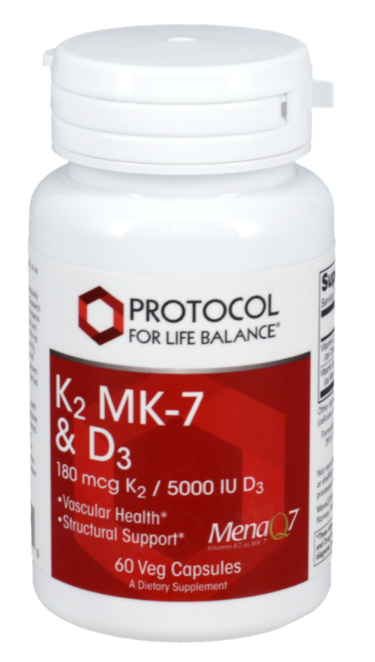
Protocol MK-7 & D3 is what I take.
Vitamin D3 and Cancer Risk: What the Population Data Shows
Among the most compelling evidence supporting vitamin D3's anticancer role is the epidemiological data — large-scale population studies examining the relationship between D3 blood levels and cancer outcomes.
Umbrella Review: 71 Meta-Analyses
A landmark 2024 umbrella review published in Clinical Nutrition ESPEN analyzed 71 systematic reviews and meta-analyses spanning over 15 years of research (Petrelli et al., 2024). The findings are striking:
- Strong evidence demonstrated that vitamin D3 supplementation reduced total cancer mortality with an Odds Ratio of 0.90 (95% CI 0.87–0.92; p < 0.01) — a statistically robust 10% reduction in cancer death risk.
- Highly suggestive evidence pointed toward reduced incidence of head and neck cancer, breast cancer, colorectal cancer, lung cancer, and renal cell carcinoma.
Cancer Mortality Reduction: Meta-Analysis of Randomized Trials
A 2023 systematic review and individual patient data meta-analysis of 14 randomized controlled trials published in Ageing Research Reviews (Kuznia et al., 2023) found:
- Vitamin D3 supplementation reduced cancer mortality rates by approximately 12–13%.
- The benefit was greatest with daily supplementation rather than bolus dosing.
- Serum 25(OH)D levels associated with benefit ranged from 54–135 nmol/L (21.6–54 ng/mL).
NIH Office of Dietary Supplements Analysis
A meta-analysis of prospective studies reviewed by the NIH found that cancer risk decreased by 7% and cancer mortality decreased by 2% with each 20 nmol/L (8 ng/mL) increase in serum 25(OH)D levels. Put differently: every time your vitamin D3 blood level rises meaningfully, measurable cancer protection follows.
Vitamin D3 and the Immune System: Your Cancer Surveillance Network
The immune system is your body's first and most powerful cancer-fighting system. Natural killer (NK) cells, cytotoxic T lymphocytes, macrophages, and dendritic cells work in concert to detect and destroy malignant cells every single day. Vitamin D3 is a master regulator of this entire network.
Groundbreaking 2024 Science Study: Vitamin D, Microbiome, and Cancer Immunity
One of the most significant research breakthroughs in recent years was published in Science (April 2024) by Giampazolias et al. from the Francis Crick Institute. The findings were extraordinary:
- Mice with higher vitamin D availability showed greater immune-dependent resistance to transplantable cancers.
- Vitamin D augmented responses to immune checkpoint blockade immunotherapies — the cutting-edge cancer immunotherapy drugs now widely used in clinical practice.
- In humans, vitamin D-induced gene signatures correlated with improved responses to checkpoint inhibitor treatment, improved anti-cancer immunity, and increased overall survival.
- The mechanism? Vitamin D acts on intestinal epithelial cells to reshape the gut microbiome, favoring Bacteroides fragilis — bacteria that actively support anti-tumor immunity.
This study establishes a previously unrecognized pathway: Vitamin D → Gut Microbiome → Enhanced Cancer Immunity.
Vitamin D3 - NK Cell and T Cell Enhancement
Research in Nutrients (2023) by Christofyllakis et al. demonstrated that:
- Vitamin D enhances the immune effector pathways of Natural Killer (NK) cells, providing a mechanistic explanation for why higher D3 levels improve the effectiveness of therapeutic monoclonal antibodies used in cancer treatment.
- VDR (Vitamin D Receptor) is highly expressed in T cells, macrophages, and dendritic cells, meaning D3 directly modulates the function of every major immune surveillance cell.
Regulatory T Cells and Immune Homeostasis in Cancer Patients
A 2023 randomized clinical trial published in In Vivo (Srichomchey et al.) studied colorectal cancer patients supplemented with vitamin D3 for 3 months after surgery. Results showed:
- VD3 supplementation helped maintain regulatory T-cell (Treg) function and immune homeostasis in early-stage CRC patients.
- Key immune cytokines IL-10 and TGF-β1 were positively modulated by vitamin D3 supplementation.
- The authors concluded that VD3 should be supplemented to maintain immune balance, especially in cancer patients with documented deficiency.
Macrophage Activation
Fernandez et al. (2022) demonstrated that vitamin D3 boosts the immune response of macrophages — the front-line phagocytic cells of the innate immune system — through a regulatory network of microRNAs and mRNAs, reinforcing D3's role as a broad-spectrum immune activator.
How Your Body Makes Vitamin D3 from Sunlight
The synthesis of vitamin D3 in human skin is an elegant photochemical process:
- UVB radiation (wavelengths 280–315 nm) penetrates the outer layers of skin.
- UVB converts 7-dehydrocholesterol (a cholesterol derivative) in the skin into previtamin D3.
- Body heat isomerizes previtamin D3 into vitamin D3 (cholecalciferol).
- D3 enters the bloodstream, travels to the liver for conversion to 25(OH)D, and then to the kidneys for activation to calcitriol.
UVB intensity sufficient for vitamin D synthesis is only available when the sun is high enough in the sky — generally between 10 a.m. and 3 p.m. Outside these hours, UVB is filtered by the atmosphere. This window disappears almost entirely in winter at latitudes above approximately 35°N (north of Los Angeles or Atlanta in the US).
The Skin Color Variable: Why Melanin Changes Everything
The most important variable in solar vitamin D3 synthesis is skin pigmentation. Melanin — the pigment that gives skin its color — is a natural sunscreen. It evolved to protect against UV damage but simultaneously reduces vitamin D3 production. The difference between skin types is dramatic.
Research by Holick and colleagues famously demonstrated that after 30 minutes of midday sun exposure, lighter skin converted approximately 3% of cutaneous 7-dehydrocholesterol into previtamin D3, while darker skin converted only 0.3% — a tenfold difference. (PMC3261929)
|
Fitzpatrick Skin Type |
Description |
~IU Produced / 30 min* |
Key Consideration |
|
Type I |
Very fair, always burns |
10,000–25,000 IU |
Highest production; short exposure sufficient |
|
Type II |
Fair, usually burns |
8,000–15,000 IU |
Efficient synthesis; sunburn risk moderate |
|
Type III |
Medium, sometimes burns |
3,000–8,000 IU |
Good synthesis in summer midday sun |
|
Type IV |
Olive/light brown, rarely burns |
1,500–4,000 IU |
Needs longer exposure; supplement often needed |
|
Type V |
Brown, very rarely burns |
600–2,000 IU |
Melanin reduces UVB absorption significantly |
|
Type VI |
Dark brown/black |
200–600 IU |
10x longer exposure than Type I; supplementation essential |
*Note: Estimates assume full midday summer sun (peak UVB, 10 a.m.–2 p.m.), significant body surface area exposed (arms, legs, back), no sunscreen, and temperate latitude. Actual production varies substantially by season, latitude, altitude, cloud cover, age, and individual variation. These values represent the theoretical production range under optimal conditions.
Critical Factors That Reduce Vitamin D3 Synthesis
- Sunscreen: SPF 30 reduces D3 production by up to 95%. Even SPF 15 dramatically reduces synthesis.
- Aging: The capacity to synthesize D3 declines by approximately 13% per decade. A 70-year-old makes significantly less D3 than a 30-year-old from the same sun exposure.
- Winter and latitude: At northern latitudes, D3 synthesis is essentially zero in winter months (October–March in much of North America and Europe).
- Glass and clothing: UVB does not penetrate glass or clothing — indoor sun exposure through windows produces no D3.
- Obesity: Vitamin D3 is fat-soluble and sequesters in adipose tissue, reducing circulating levels in people with obesity.
☀️ Sun Exposure NoteWhile sunlight is the most natural source of vitamin D3, the window for adequate synthesis is narrow and depends on many variables. For most people — especially those with darker skin, living at northern latitudes, working indoors, or over age 60 — sunlight alone cannot reliably maintain optimal vitamin D3 blood levels year-round. Supplementation and monitoring are essential. |
Learn about ProtiSorb™ enhanced polyphenol absorption.
The Only Way to Know Your Vitamin D3 Status: Blood Testing
This is perhaps the most important practical point in this entire article: You cannot determine how much vitamin D3 you need based on how much sun you get, how much you supplement, or how you feel. Individual response to supplementation varies enormously due to genetics, body composition, gut absorption, baseline status, and cofactor availability. The only reliable measure is a blood test.
What Test to Order
The correct test is the serum 25-hydroxyvitamin D [25(OH)D], also written as 25(OH)D3. This is the major circulating storage form of vitamin D — the best indicator of your total D3 status from both sun and supplementation. Do not order 1,25-dihydroxyvitamin D (calcitriol) as a status marker — this test does not reliably reflect overall D3 stores and is often misleadingly normal even in deficient states. (Holick et al., PMC2665033)
QuestAssureD™ Vitamin D 25-Hydroxy Total Test with D2 and D3
Understanding Your Results
|
25(OH)D Level |
Status |
Cancer Prevention Context |
|
< 20 ng/mL (< 50 nmol/L) |
Deficient |
Significant cancer risk concern; immune impairment likely |
|
20–29 ng/mL (50–74 nmol/L) |
Insufficient |
Below threshold for cancer prevention benefits |
|
30–40 ng/mL (75–100 nmol/L) |
Sufficient / Optimal base |
Minimum desirable range for all health endpoints (Bischoff-Ferrari 2007) |
|
40–60 ng/mL (100–150 nmol/L) |
Target cancer prevention range |
Intake of 1,100–4,000 IU/day associated with this range (Garland et al., 2011) |
|
> 150 ng/mL (> 375 nmol/L) |
Potential toxicity range |
Risk of hypercalcemia; requires physician oversight |
Why You Must Test, Change, — and Retest
Two individuals taking the exact same dose of vitamin D3 can have dramatically different blood levels due to:
- Genetic variations in VDR (Vitamin D Receptor) — affecting how efficiently D3 is activated and used.
- Body composition — D3 sequestration in fat tissue.
- Baseline gut absorption capacity.
- Concurrent magnesium status (see below).
- Baseline 25(OH)D level at the start of supplementation.
Standard clinical recommendation: Test your 25(OH)D level at baseline, make a dosage decision with your physician or integrative oncologist, then retest approximately 8–12 weeks (2–3 months) later to assess response. Vitamin D3 has a half-life of approximately 2–3 weeks, meaning it takes roughly 3 months to reach steady-state blood levels after a dose change. Testing before that window will underestimate your true new level.
🔬 Testing GuidanceOrder: 25-Hydroxyvitamin D, Total [25(OH)D] — This single test covers both D2 and D3 metabolites. Timing: Test baseline, then retest 8–12 weeks after any dose change. Frequency: Once levels stabilize within your target range, test every 6–12 months (or seasonally if you live at a northern latitude). Who should test more frequently: Cancer patients, those on high-dose protocols, anyone with malabsorption disorders, and individuals on corticosteroids or anticonvulsants (which accelerate D3 breakdown). |
The Vitamin D3 Team: Essential Cofactors for Maximum Benefit
Vitamin D3 does not work in isolation. Several key nutrients are required for its proper metabolism, activation, and safe utilization — and deficiency in any of them can render even high-dose D3 supplementation ineffective or potentially unsafe.
Magnesium: The Non-Negotiable Cofactor
Magnesium is required by every enzyme involved in vitamin D3 metabolism — from the initial skin synthesis step through liver and kidney hydroxylation to VDR activation. Without adequate magnesium, vitamin D3 cannot be properly converted or utilized.
- Research shows that magnesium status directly influences vitamin D status and metabolism. (Dai et al., PMC study)
- Studies estimate that 50% or more of Americans are magnesium insufficient.
- Someone deficient in magnesium may supplement vitamin D3 faithfully for months and still fail to optimize their levels.
- Best food sources: leafy greens, pumpkin seeds, almonds, dark chocolate, avocado, black beans.
- Supplement forms: magnesium glycinate or magnesium malate are generally best tolerated.
Vitamin K2 (MK-7): The Calcium Traffic Director
When vitamin D3 is supplemented in meaningful doses, it increases intestinal calcium absorption. Vitamin K2 (specifically MK-7, menaquinone-7) ensures that this additional calcium is directed to bones and teeth — not deposited in arteries and soft tissues.
- Vitamin D3 stimulates the production of vitamin K-dependent proteins, including osteocalcin and matrix Gla protein (MGP), but these only become active when carboxylated by vitamin K2.
- The synergistic interplay between vitamins D and K is well described in International Journal of Endocrinology (van Ballegooijen et al., 2017, PMC5613455).
- For cancer relevance: K2 MK-7 has shown direct anticancer properties in multiple myeloma cells and leukemia models (PMC9736786), inhibiting proliferation and enhancing the effects of conventional treatment.
- MK-7 (trans-menaquinone-7) is the preferred form — it has a longer half-life in the body and remains bioavailable for a sustained period, unlike MK-4 which clears rapidly.
Zinc: VDR Cofactor
Zinc is required for vitamin D receptor (VDR) conformational changes and for the activity of vitamin D-dependent gene promoters. Without zinc, D3's ability to regulate gene expression — including its anticancer gene targets — is compromised. Oysters, beef, pumpkin seeds, and legumes are good dietary sources.
Omega-3 Fatty Acids: Synergistic Anti-Inflammatory Action
The VITAL trial (25,871 participants) used vitamin D3 (2,000 IU/day) combined with omega-3 fatty acids. While cancer incidence differences were not significant for the overall group, normal-weight participants experienced greater reductions in both cancer incidence and cancer mortality. Omega-3s reduce tumor-promoting inflammation through overlapping but distinct mechanisms from D3, making combination supplementation a rational strategy.
Dietary Sources of Vitamin D3
Vitamin D3 from diet is extremely limited compared to sun synthesis and supplementation. Major food sources include:
- Fatty fish (salmon, mackerel, sardines, tuna): 400–1,000 IU per 3 oz serving depending on species and preparation.
- Cod liver oil: 1,300 IU per tablespoon (also provides preformed vitamin A — do not megadose).
- Egg yolks (from pasture-raised/outdoor hens): 20–50 IU each.
- Beef liver: 40–50 IU per 3 oz.
- Fortified foods (milk, orange juice, cereals): typically 100–150 IU per serving — inadequate as a primary source.
The takeaway: Diet alone cannot realistically provide the 1,000–4,000 IU/day often associated with cancer-preventive blood levels. Sunlight and/or supplementation are essential.
Safety and Upper Limits: What the Evidence Shows
Vitamin D3 is fat-soluble, meaning excess is stored in body fat rather than excreted. Genuine toxicity (hypervitaminosis D) is rare but possible with chronic megadosing. Key safety parameters from the literature:
- The Tolerable Upper Intake Level (UL) established by the NIH Institute of Medicine is 4,000 IU/day for adults, though many researchers argue this is conservative.
- Community-based studies (Garland et al., 2011) found that intakes up to 10,000 IU/day did not produce 25(OH)D levels above the toxicity threshold of 200 ng/mL.
- Toxicity is associated with 25(OH)D levels above 150 ng/mL and presents as hypercalcemia: nausea, kidney stones, and calcification of soft tissues.
- Sun exposure cannot cause D3 toxicity — the skin has a feedback mechanism that halts synthesis at peak production.
The practical safety message: at supplemental doses of 1,000–4,000 IU/day monitored by periodic blood testing, vitamin D3 is considered safe for most adults. Higher doses require physician oversight and more frequent monitoring.
Who Is Most at Risk for Vitamin D3 Deficiency?
Vitamin D3 deficiency is the silent epidemic of modern medicine. Groups at highest risk include:
- People with darker skin living at northern latitudes — melanin reduces synthesis, and the northern sun is weak.
- Adults over 60 — skin's synthesis capacity declines significantly with age.
- People who work indoors or avoid sun exposure.
- Those with obesity — D3 is sequestered in adipose tissue.
- People with digestive disorders (Crohn's, celiac, short bowel syndrome) — impaired fat absorption reduces D3 uptake.
- People taking corticosteroids, anticonvulsants, or certain HIV medications — these drugs accelerate D3 catabolism.
- Cancer patients — studies show cancer patients frequently present with lower vitamin D levels, and deficiency in cancer patients is associated with worse outcomes and greater fatigue.
Cancer-Specific Evidence Summary
While vitamin D3's benefits appear broadly applicable across cancer types, evidence is strongest for:
- Colorectal cancer: Among the most extensively studied associations, multiple large trials and meta-analyses show significant risk reduction with adequate D3 status. Mechanistic studies show direct effects on colon cancer cell signaling.
- Breast cancer: Highly suggestive evidence for risk reduction; VDR signaling modulates estrogen receptor pathways directly relevant to ER+ breast cancer.
- Prostate cancer: Significant observational data; calcitriol has demonstrated anti-proliferative effects on prostate cancer cells; caution warranted at very high latitudes.
- Lung cancer: Emerging data from observational studies suggest a protective association; vitamin D status correlates with checkpoint inhibitor response in lung cancer patients.
- Head and neck cancers: Highly suggestive evidence from Petrelli et al. umbrella review (2024).
- Melanoma: Counterintuitively, adequate D3 status (not from UV excess but from supplementation) is associated with better outcomes in melanoma patients.
- Multiple myeloma: In vitro evidence that 25(OH)D3 combined with vitamin K2 MK-7 inhibits proliferation and enhances response to bortezomib chemotherapy.
Vitamin D3 and Immunotherapy: A Critical Emerging Intersection
As immune checkpoint inhibitors (pembrolizumab, nivolumab, ipilimumab, and others) have become standard of care across many cancers, the role of vitamin D3 in modulating immunotherapy response has become a clinically urgent question.
The landmark 2024 Science paper by Giampazolias et al. provides compelling evidence that vitamin D availability augments responses to checkpoint blockade immunotherapies. This is mechanistically plausible: since D3 activates NK cells, enhances T cell function, and reshapes the microbiome toward cancer-immunity-supporting bacteria, it may prime the immune environment that checkpoint inhibitors require to work effectively.
Vitamin D status has been prospectively associated with checkpoint inhibitor efficacy and with reduced immune-related adverse events (colitis in particular) in lung cancer patients. (J Immunother. 2023; Cancer 2020)
This intersection between vitamin D3, gut microbiome, and cancer immunotherapy represents one of the most exciting frontiers in integrative oncology today.
A Patient-Centered Practical Vitamin D3 Protocol
Based on the current body of evidence, here is a rational, evidence-based approach to vitamin D3 optimization for cancer prevention and integrative support:
Step 1: Get Your Baseline Blood Test
Order a 25(OH)D total serum test. Know your starting point. Do not supplement blindly.
Step 2: Discuss Goals with Your Physician
For general cancer prevention, evidence supports a target of 40–60 ng/mL. For cancer patients, discuss your integrative oncologist's specific protocol. Always disclose supplementation to your oncology team.
Step 3: Choose Quality Supplementation
- Choose vitamin D3 (cholecalciferol), not D2 (ergocalciferol). D3 raises blood levels roughly twice as effectively.
- Take D3 with a meal containing fat — it is fat-soluble and absorption depends on dietary fat.
- Pair with magnesium glycinate or malate for activation support.
- Consider pairing with vitamin K2 (MK-7, 90–180 mcg/day) if taking doses above 2,000 IU/day, to protect cardiovascular health.
Step 4: Retest at 8–12 Weeks
Test again approximately 3 months after starting or changing your dose. Adjust accordingly. This is the only way to know if your dose is working.
Step 5: Maintain and Monitor
Once in your target range, retest every 6–12 months. Test more frequently if you are a cancer patient, on high-dose therapy, or have significant health changes.
⚠️ Important Cancer Patient NoteIf you are actively receiving cancer treatment, please consult your oncologist and integrative healthcare team before beginning any supplement protocol. Some cancers (e.g., certain lymphomas, sarcoidosis) can cause hypercalcemia through autonomous calcitriol production and may require careful D3 management. Higher-dose vitamin D3 protocols in cancer patients should be supervised by an integrative oncologist with regular monitoring. |
Myth-Busting Common Vitamin D3 Misconceptions
Myth: "I spend time outdoors, so my vitamin D is fine."
Reality: Season, latitude, skin color, clothing, sunscreen, time of day, and age all dramatically affect synthesis. Many outdoor workers still test deficient. Test; don't assume.
Myth: "My doctor said my level was normal."
Reality: 'Normal' laboratory ranges often include levels that researchers consider insufficient for cancer prevention. A level of 22 ng/mL may be 'normal' on a lab report but is well below the 40–60 ng/mL range associated with cancer-preventive benefit. Ask for your actual number.
Myth: "More sun is always better."
Reality: Above a certain UVB dose, skin produces no additional D3 — a natural feedback mechanism kicks in. Chronic UV overexposure increases skin cancer risk without producing proportionally more D3. Safe sun followed by supplementation and testing is the rational approach.
Myth: "High-dose vitamin D3 is dangerous."
Reality: Clinically significant toxicity is rare and generally requires sustained intake well above 10,000 IU/day for extended periods. Under medical supervision with periodic blood monitoring, doses of 2,000–5,000 IU/day are used widely and safely in integrative oncology.
Prevail Over Cancer: Your Partner in Evidence-Based Cancer Nutrition
At Prevail Over Cancer, we help patients, caregivers, and clinicians cut through misinformation and build confidence with evidence-based, actionable strategies.
We provide:
- The Prevail Over Cancer Learning Center — free, science-backed articles and guides
https://www.prevailovercancer.com/learning-center - Cancer Nutrition Academy Courses — deep‑dive modules on anticancer foods, metabolic strategies, and terrain-based nutrition
https://www.prevailovercancer.com/academy - 1:1 Personalized Cancer Coaching — tailored guidance for patients and caregivers
https://www.prevailovercancer.com/coaching - The Prevail Over Cancer Podcast Show — expert interviews and practical insights
https://youtube.com/playlist?list=PLBC_ThCJPWZvnLxWSIVuvyCMJa0Ce5nya&si=Gka0MokzgC1Dppgx
Vitamin D3 and Cancer Medical References
- Dallavalasa S, Tulimilli SV, et al.. "Vitamin D in Cancer Prevention and Treatment: A Review of Epidemiological, Preclinical, and Cellular Studies." Cancers (Basel). 2024 Sep 20;16(18):3211. https://pubmed.ncbi.nlm.nih.gov/39335182/
- Petrelli F, Deda R, Borgonovo K, et al.. "Vitamin D3 and cancer risk in healthy subjects: An umbrella review of systematic review and meta-analysis." Clin Nutr ESPEN. 2024 Oct;63:776-786. https://pubmed.ncbi.nlm.nih.gov/39178988/
- Kuznia S, Zhu A, Akutsu T, et al.. "Efficacy of vitamin D3 supplementation on cancer mortality: Systematic review and individual patient data meta-analysis of randomised controlled trials." Ageing Res Rev. 2023 Jun;87:101923. https://pubmed.ncbi.nlm.nih.gov/37004841/
- Giampazolias E, Pereira da Costa M, Lam KC, et al.. "Vitamin D regulates microbiome-dependent cancer immunity." 2024 Apr 26;384(6694):428-437. https://pubmed.ncbi.nlm.nih.gov/38662827/
- Wakle KS, Mokale SN, Sakle NS.. "Emerging perspectives: unraveling the anticancer potential of vitamin D3." Naunyn Schmiedebergs Arch Pharmacol. 2024;397(5):2877-2933. https://pubmed.ncbi.nlm.nih.gov/37994947/
- Wakle KS, Karwa PN, Sakle NS.. "Investigating Vitamin D3's anticancer mechanisms in MCF-7 cells: a network pharmacology and omics technology approach." Mol Divers. 2025 Mar 27. https://link.springer.com/article/10.1007/s11030-025-11156-z
- Srichomchey P, Sukprasert S, Khulasittijinda N, et al.. "Vitamin D3 Supplementation Promotes Regulatory T-Cells to Maintain Immune Homeostasis After Surgery for Early Stages of Colorectal Cancer." In Vivo. 2023 Jan-Feb;37(1):286-293. https://pubmed.ncbi.nlm.nih.gov/36593062/
- Wang L, Zhang Q, Wang J, et al.. "Vitamin D3 regulates NSUN2 expression and inhibits melanoma cell proliferation and migration." Mol Divers. 2024;28:2863-2874. https://link.springer.com/article/10.1007/s11030-023-10720-9
- Bischoff-Ferrari HA.. "Optimal serum 25-hydroxyvitamin D levels for multiple health outcomes." Adv Exp Med Biol. 2008;624:55-71. https://pubmed.ncbi.nlm.nih.gov/18348447/
- Bischoff-Ferrari HA, Giovannucci E, Willett WC, et al.. "Estimation of optimal serum concentrations of 25-hydroxyvitamin D for multiple health outcomes." Am J Clin Nutr. 2006 Jul;84(1):18-28. https://pubmed.ncbi.nlm.nih.gov/16825677/
- Garland CF, French CB, Baggerly LL, Heaney RP.. "Vitamin D supplement doses and serum 25-hydroxyvitamin D in the range associated with cancer prevention." Anticancer Res. 2011 Feb;31(2):607-11. https://pubmed.ncbi.nlm.nih.gov/21378345/
- Holick MF, Chen TC.. "Vitamin D deficiency: a worldwide problem with health consequences." Am J Clin Nutr. 2008. https://pmc.ncbi.nlm.nih.gov/articles/PMC2665033/
- van Ballegooijen AJ, Pilz S, Tomaschitz A, et al.. "The Synergistic Interplay between Vitamins D and K for Bone and Cardiovascular Health: A Narrative Review." Int J Endocrinol. 2017;2017:7454376. https://pmc.ncbi.nlm.nih.gov/articles/PMC5613455/
- Luczkowska K, Kulig P, Baumert B, Machalinski B.. "The Evidence That 25(OH)D3 and VK2 MK-7 Vitamins Influence the Proliferative Potential and Gene Expression Profiles of Multiple Myeloma Cells." https://pmc.ncbi.nlm.nih.gov/articles/PMC9736786/
- Godar DE, Pope SJ, Grant WB, Holick MF.. "Solar UV Doses of Young Americans and Vitamin D3 Production." Environ Health Perspect. 2012;120(1):139-143. https://pmc.ncbi.nlm.nih.gov/articles/PMC3261929/
- NIH Office of Dietary Supplements.. "Vitamin D — Health Professional Fact Sheet." National Institutes of Health, 2024. https://ods.od.nih.gov/factsheets/VitaminD-HealthProfessional/
|
📚 Learn More at Prevail Over Cancer Explore our Cancer Nutrition Academy, integrative oncology resources, and podcast at PrevailOverCancer.com. Our educational programs help patients and caregivers build evidence-based strategies for nutrition, supplementation, and lifestyle alongside conventional treatment. Visit PrevailOverCancer.com/learning-center to access our free educational guides, or PrevailOverCancer.com/academy for our full course library. |
⚕️ Educational Disclaimer
This article is for educational purposes only and does not constitute medical advice, diagnosis, or treatment. Vitamin D3 supplementation should always be discussed with your oncologist or integrative medicine provider, particularly if you are currently undergoing cancer treatment. Individual needs vary significantly. This content does not reflect the official position of the FDA, NCI, or any medical governing body.
FDA Disclaimer: These statements have not been evaluated by the Food and Drug Administration. Vitamin D3 supplementation is not intended to diagnose, treat, cure, or prevent any disease. Information presented here is for educational purposes. Always consult a licensed healthcare provider before beginning any supplementation protocol, particularly if you are undergoing cancer treatment.
© 2026 Prevail Over Cancer | PrevailOverCancer.com | Integrative Oncology Education
Author

Keith Bishop
Clinical Nutritionist, Cancer Coach, Retired Pharmacist, Author
Keith Bishop founded Prevail Over Cancer and is a passionate advocate for cancer awareness and research. With a background in pharmacy and clinical nutrition I’m dedicated to providing insightful and empowering information to help clients, survivors, and caregivers navigate their journey. From personal experiences and a commitment to holistic health, Keith aims to inspire and support the cancer community through comprehensive and accessible content.
Join over 8,000 subscribers!
Get access to Keith's Prevail Over Cancer Newsletter with news, blogs, and updates!
Recent Posts
Blog Post Topics
All Categories- microbiome modulation in oncology
25 hydroxyvitamin d cancer prevention
active hexose correlated compound
akkermansia and chemotherapy synergy
akkermansia and gastric cancer
akkermansia and radiation therapy
akkermansia muciniphila and cancer