Melatonin and Cancer - Research Review
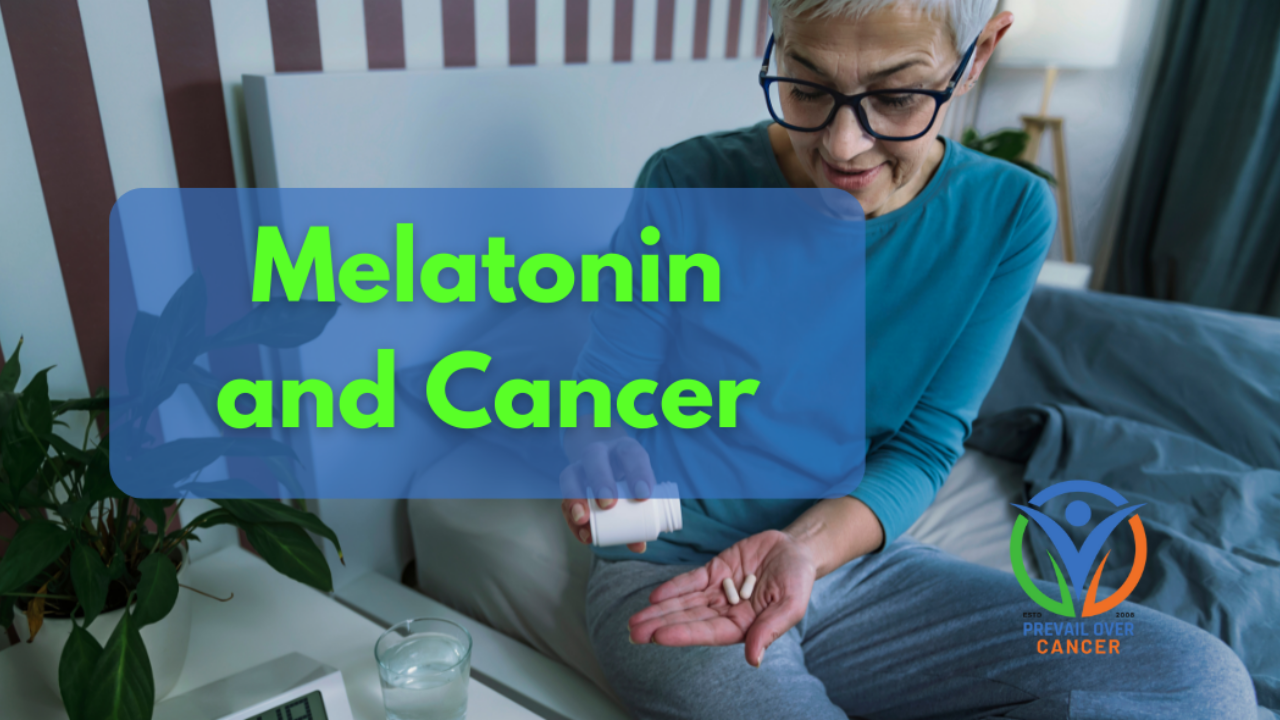
Melatonin in Cancer Protocols: Promise, Precaution, and the Latest Research
Researched and written by Keith Bishop, Integrative Cancer Educator, Clinical Nutritionist, Cancer Coach, and Retired Pharmacist
Melatonin, often called the "sleep hormone," is a naturally occurring compound produced by the pineal gland in the brain. While its primary role is to regulate the sleep-wake cycle, emerging research has revealed its potential as a potent anticancer agent. This blog explores melatonin's anticancer properties, additional health benefits, potential side effects, role in cancer treatment, recommended dosages, and possible drug interactions.
What is Melatonin?
Melatonin is a hormone that helps regulate circadian rhythms, ensuring a healthy sleep-wake cycle. It is also a potent antioxidant, capable of neutralizing free radicals and reducing oxidative stress, which are key contributors to cellular damage and aging.
Melatonin Anticancer Activity*
Research has shown that melatonin exhibits several anticancer properties:
- Inhibits Tumor Growth: Melatonin can suppress tumor growth by regulating angiogenesis (formation of new blood vessels), apoptosis (programmed cell death), and oxidative stress.
- Enhances Immune Response: It boosts the immune system, enabling it to identify better and attack cancer cells.
- Improves Chemotherapy and Radiation Therapy Outcomes: Studies indicate that melatonin enhances the effectiveness of these treatments while reducing their side effects of fatigue and neurotoxicity.
- Boost Survival Rates: Clinical trials have demonstrated that melatonin supplementation can significantly improve survival rates in patients with cancer.
- Melatonin Reduces Metastasis: Melatonin inhibited cancer metastasis and modulated the immune response.
Learn How to Select a Quality Dietary Supplement
Cancers with Melatonin Activity
Melatonin has demonstrated anticancer activity against various types of cancers across in vitro, in vivo, animal, and human studies. Here's a list of cancers where melatonin's effects have been studied:
- Breast Cancer
- Lung Cancer
- Skin Cancer
- Glioma (Brain Cancer)
- Colorectal Cancer
- Colon Cancer
- Gastric Cancer
- Ovarian Cancer
- Endometrial Cancer
- Prostate Cancer
- Leukemia
- Lymphoma
Click here to download and view the seminar handout for Melatonin for Brain and Cancer.
Other Health Benefits of Melatonin
Beyond its anticancer properties, melatonin offers several additional health benefits:
- Improves Sleep Quality: It is a natural remedy for insomnia and jet lag.
- Supports Eye Health: Melatonin's antioxidant properties may protect against age-related macular degeneration.
- Reduces Symptoms of GERD: It has been shown to decrease acid reflux and improve gastrointestinal health.
Potential Side Effects of Melatonin
While melatonin is generally safe, some users may experience mild side effects, including:
- Headache
- Dizziness
- Daytime drowsiness
- Nausea
Melatonin may rarely cause vivid dreams or interact with certain medications, which underscores the importance of consulting a healthcare provider before use.
Potential Melatonin Heart Risks
A new preliminary study presented at the American Heart Association’s Scientific Sessions 2025 has raised eyebrows in the medical community. Researchers analyzed health records from over 130,000 adults with chronic insomnia and found that those who used melatonin for more than a year had a 90% higher risk of developing heart failure, were 3.5 times more likely to be hospitalized, and faced nearly double the risk of death from any cause compared to non-users. While the studies do not establish causation, and many experts urge caution in interpreting the results, they highlight the need for more rigorous trials to assess melatonin’s long-term safety profile
But before you panic or toss your melatonin supplements—here’s the nuance.
Necessary Clarification: This research is preliminary. It has not yet been peer-reviewed or published in a medical journal, which means it hasn’t undergone the rigorous scrutiny required to confirm its findings. Many studies presented at conferences never make it to publication. Factors such as insomnia severity, psychiatric conditions, or other medications may be influencing the results.
Melatonin has shown promising cardiovascular benefits in several peer-reviewed studies, suggesting its potential role beyond sleep regulation. Experimental and clinical research indicates that melatonin may reduce oxidative stress and inflammation in cardiac tissue, thereby reducing myocardial damage during ischemic events (Dominguez-Rodriguez et al., J Pineal Res. 2006;40(2):135–139). In hypertensive patients, melatonin supplementation has been associated with lower nighttime blood pressure and improved circadian rhythm of blood pressure (Scheer et al., Hypertension. 2004;43(2):192–197). Moreover, its neuroprotective and vasodilatory effects may contribute to a reduced risk of stroke in animal models and small human trials (Reiter et al., J Pineal Res. 2005;39(3):223–226). Longitudinal data also suggest that melatonin’s antioxidant properties may support healthy aging and longevity, particularly in populations with disrupted circadian rhythms (Hardeland et al., Ageing Res Rev. 2012;11(2):164–170). While these findings are encouraging, they stem from controlled settings and short-term interventions—highlighting the need for long-term, large-scale human trials to confirm melatonin’s protective effects in real-world populations.
Stay Informed: I’ll be following this story closely. I'll continue to update this blog as information develops. Subscribing to my email newsletter is the best way to stay informed about when I update my blog posts.
Melatonin Dosages for Cancer Patients
Clinical studies have explored a wide range of dosages, typically between 10 mg and 20 mg per day, administered alongside conventional cancer therapies. Higher doses, up to 200 mg, have also been studied, showing promising results with minimal side effects.
Potential Drug-Melatonin Interactions
Melatonin may interact with certain medications, including:
- Blood thinners (e.g., warfarin)
- Immunosuppressants
- Antidepressants
- Blood pressure medications
It is crucial to discuss melatonin use with a healthcare provider to avoid adverse interactions.
Melatonin Cancer Conclusion
Melatonin is a versatile and promising compound with significant anticancer potential. Its ability to enhance conventional cancer treatments and its antioxidant and immune-boosting properties make it a valuable addition to the fight against cancer. However, as with any supplement, it is essential to consult a healthcare professional before use.
High-Dose Melatonin Source
Melatonin at Fullscript Discount is automatically applied.
Cancer Coaching Sessions
As a dedicated cancer coach, I provide personalized guidance and unwavering support to empower individuals navigating their cancer journey. My approach focuses on holistic well-being, blending evidence-based practices with compassionate care to address the physical, emotional, and mental challenges of cancer. https://www.prevailovercancer.com/coaching
Whether you seek strategies to manage treatments, improve quality of life, or explore complementary therapies, my coaching is tailored to your unique needs and goals. Together, we’ll chart a path toward resilience, hope, and healing. Together – We Prevail Over Cancer!™
Author

Keith Bishop
Clinical Nutritionist, Cancer Coach, Retired Pharmacist, Author
Keith Bishop founded Prevail Over Cancer and is a passionate advocate for cancer awareness and research. With a background in pharmacy and clinical nutrition I’m dedicated to providing insightful and empowering information to help clients, survivors, and caregivers navigate their journey. From personal experiences and a commitment to holistic health, Keith aims to inspire and support the cancer community through comprehensive and accessible content.
Join over 8,000 subscribers!
Get access to Keith's Prevail Over Cancer Newsletter with news, blogs, and updates!
Recent Posts
Blog Post Topics
All Categories- microbiome modulation in oncology
25 hydroxyvitamin d cancer prevention
active hexose correlated compound
akkermansia and chemotherapy synergy
akkermansia and gastric cancer
akkermansia and radiation therapy
akkermansia muciniphila and cancer