Broccoli Sprouts and Cancer: The Science of Sulforaphane
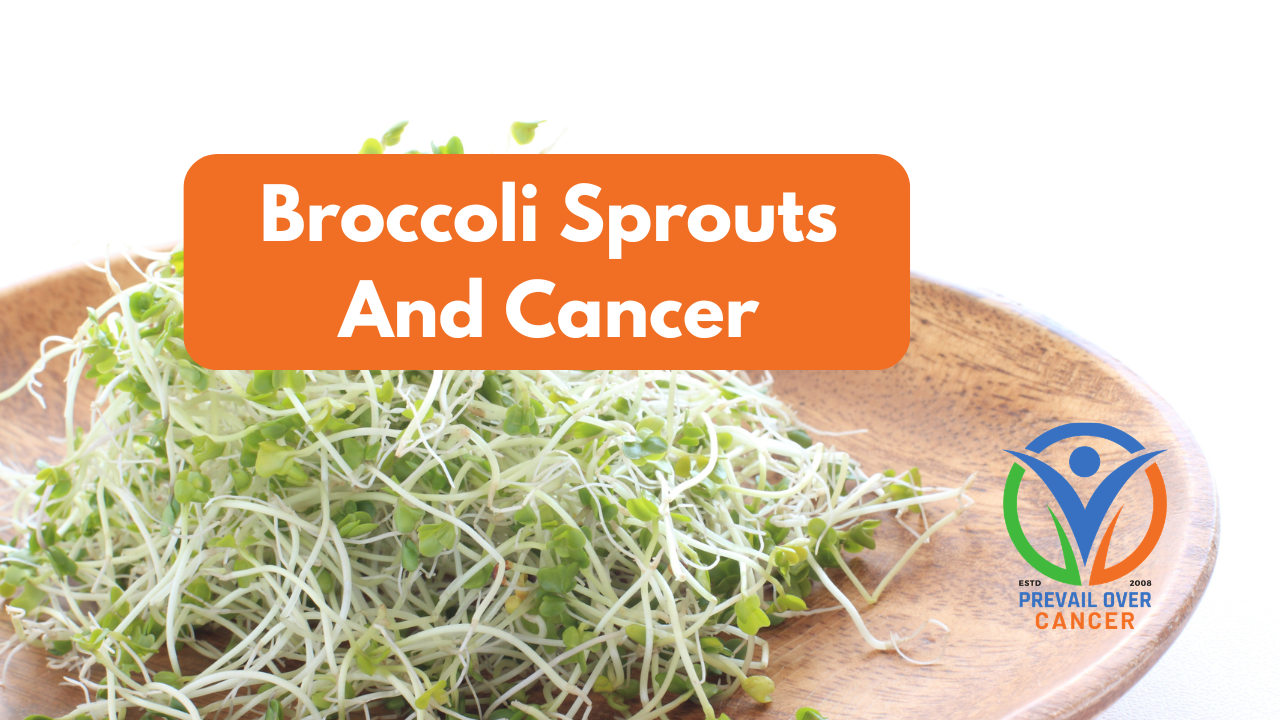
Broccoli Sprouts and Cancer: The Complete Science of Sulforaphane
If you add only one food to your anticancer nutrition plan, the research points strongly to one answer: broccoli sprouts. These tiny, unassuming seedlings — available at most grocery stores or easy to grow at home — contain concentrations of the most well-studied anticancer phytochemical on Earth.
That compound is sulforaphane (SFN) — an isothiocyanate derived from cruciferous vegetables that has now been investigated in over 3,000 published studies. And unlike many "superfoods" hyped on social media, sulforaphane's mechanisms are deeply understood at the molecular level, spanning cancer prevention, cancer stem cell targeting, chemotherapy enhancement, radiation sensitization, and immunotherapy support.
This research blog compiles everything the current science tells us about broccoli sprouts and cancer — including how sulforaphane works, how to maximize the amount you produce and absorb, and how it interacts with ...
Pumpkin Seeds and Cancer: Evidence-Backed Benefits You Should Know
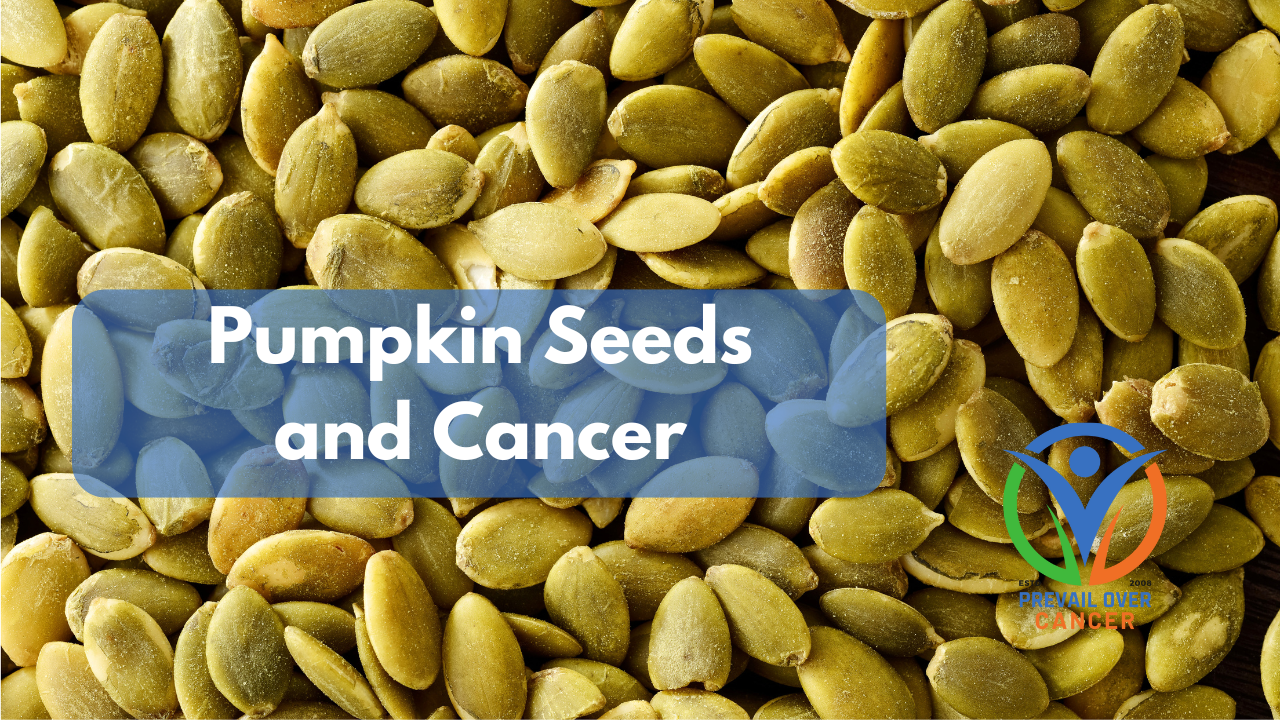
How pumpkin seeds support anticancer nutrition, key nutrients, research findings, and practical guidance.
Research and written by Keith Bishop, Cancer Coach, Clinical Nutritionist, Retired Pharmacist, and Founder of Prevail Over Cancer™ and the Prevail Protocol™
Pumpkin seeds—often treated as a simple snack—are quietly becoming one of the most compelling foods in anticancer nutrition. Rich in bioactive compounds, antioxidants, lignans, and unique proteins, these seeds have demonstrated promising effects in laboratory studies and population research. Below is a comprehensive, evidence-based look at what we know so far.
Anticancer Actions of Pumpkin Seeds
Pumpkin Seed Apoptosis-Inducing Activity
Pumpkin seed protein fractions have been shown to induce apoptosis (programmed cell death) in cancer cells, including liver (HepG2) and triple-negative breast cancer (MDA-MB-231) cell lines.[i]
Antioxidant & Anti-Inflammatory Effects
Pumpkin seeds contain phenolic compounds, tocopherol...
Green Tea, Matcha, and Black Tea: Evidence-Backed Anticancer Benefits You Can Use Every Day
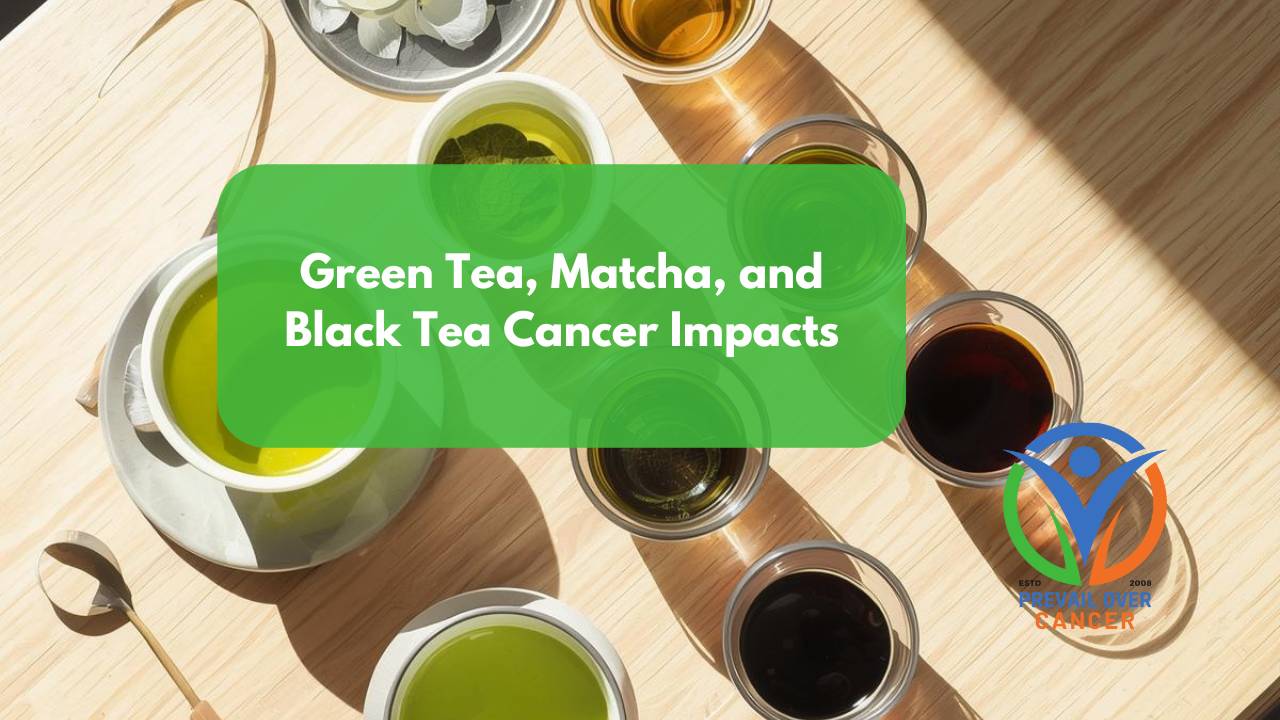
How Tea Polyphenols Support Cellular Health, Reduce Oxidative Stress, Counteract Damage from Processed Foods, and Reduce Cancer Risks
Tea is one of the most widely consumed beverages in the world—and one of the most researched. Green tea, matcha, and black tea all come from the Camellia sinensis plant, yet each offers unique anticancer benefits thanks to differences in processing, polyphenol content, and antioxidant potency.
For people with cancer and caregivers looking for simple, daily habits that support an anticancer lifestyle, tea is a powerful, evidence-supported place to start.
Smart Beverage Pairing Seminar Handout
Why Tea Matters for Cancer Prevention
Tea is rich in polyphenols, plant compounds that help protect cells from oxidative stress, inflammation, and DNA damage—three biological processes closely linked to cancer development.
The most studied polyphenols include:
- Catechins (especially EGCG) in green tea
- Theaflavins and thearubigins in black tea
- Concentrated c...
Lectins and Cancer - You will be surprised!
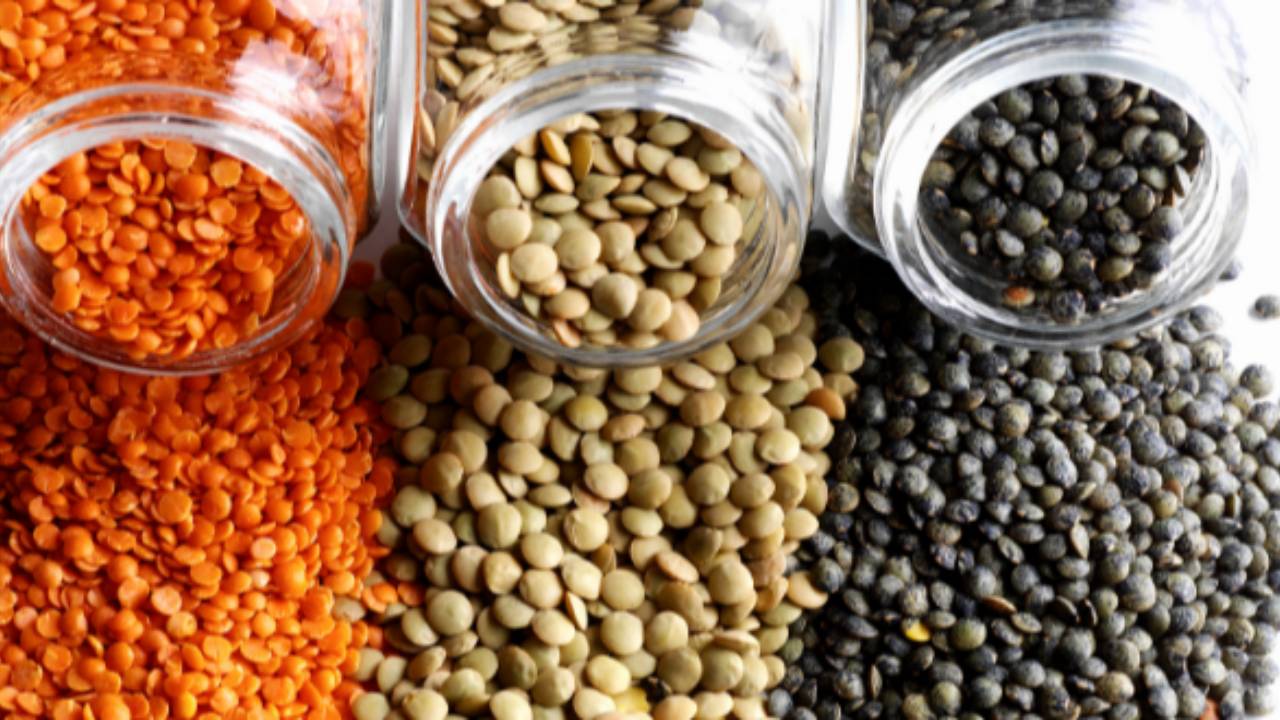
Plant lectin impacts on cancer cells, risks, and treatments.
Written by Keith Bishop, Clinical Nutritionist, Clinical Nutritionist, Retired Pharmacist, Founder of Prevail Over Cancer
What are Lectins?
Lectins are a type of protein found in many plant-based foods such as fruits, vegetables, and whole grains. According to a 2015 review out of China published in the Cell Proliferation, plant lectins can modify the expression of specific immune cells and alter signaling pathways to help kill off cancer cells and block tumor growth.[a]
How Lectins Interact with Cancer Cells
Interestingly, some lectins are used to detect and diagnose cancer cells. Lectins manifest diverse activities, including inhibiting virus, and antitumor, antifungal, and anti-insect activities. Others are used for therapeutic purposes because of their anti-tumor activity and ability to trigger cancer cell death.[b]
Plant lectins attach to cancer cells and induce their cell death through autophagy (the body break...
Nuts and Cancer Risks and Mortality
Nuts and Cancer - Nuts may be considered a cancer superfood because they contain additive and/or synergistic properties that contribute to reduced cancer risk.
Researched and written by Keith Bishop, Clinical Nutritionist, Cancer Coach, Retired Pharmacist, and Founder of Prevail Over Cancer
Nuts are a rich source of monounsaturated and polyunsaturated fatty acids, tocopherols, antioxidant polyphenols, fiber, prebiotics, vegetable protein, minerals, and vitamins. Fiber and prebiotics can promote the growth of beneficial bacteria in the gut microbiome.[i]
Nuts can decrease glucose, insulin, and inflammation levels.[ii] [iii] All of which can increase the risk or even stimulate cancer if elevated.
A human genetic study of women with breast cancer found that consuming 2 oz (60 grams) of walnuts a day for 2 weeks improved 456 cancer-prevention and cancer-growth genetic pathways. Analysis of the data showed activation of pathways that promote apoptosis (normal cancer cell death), help k...
Author

Keith Bishop
Clinical Nutritionist, Cancer Coach, Retired Pharmacist, Author
Keith Bishop founded Prevail Over Cancer and is a passionate advocate for cancer awareness and research. With a background in pharmacy and clinical nutrition I’m dedicated to providing insightful and empowering information to help clients, survivors, and caregivers navigate their journey. From personal experiences and a commitment to holistic health, Keith aims to inspire and support the cancer community through comprehensive and accessible content.
Join over 8,000 subscribers!
Get access to Keith's Prevail Over Cancer Newsletter with news, blogs, and updates!
Recent Posts
Blog Post Topics
All Categories- microbiome modulation in oncology
25 hydroxyvitamin d cancer prevention
active hexose correlated compound
akkermansia and chemotherapy synergy
akkermansia and gastric cancer
akkermansia and radiation therapy
akkermansia muciniphila and cancer