
The EWG Dirty Dozen & Clean 15: What Every Cancer Patient Needs to Know About Pesticides in Produce
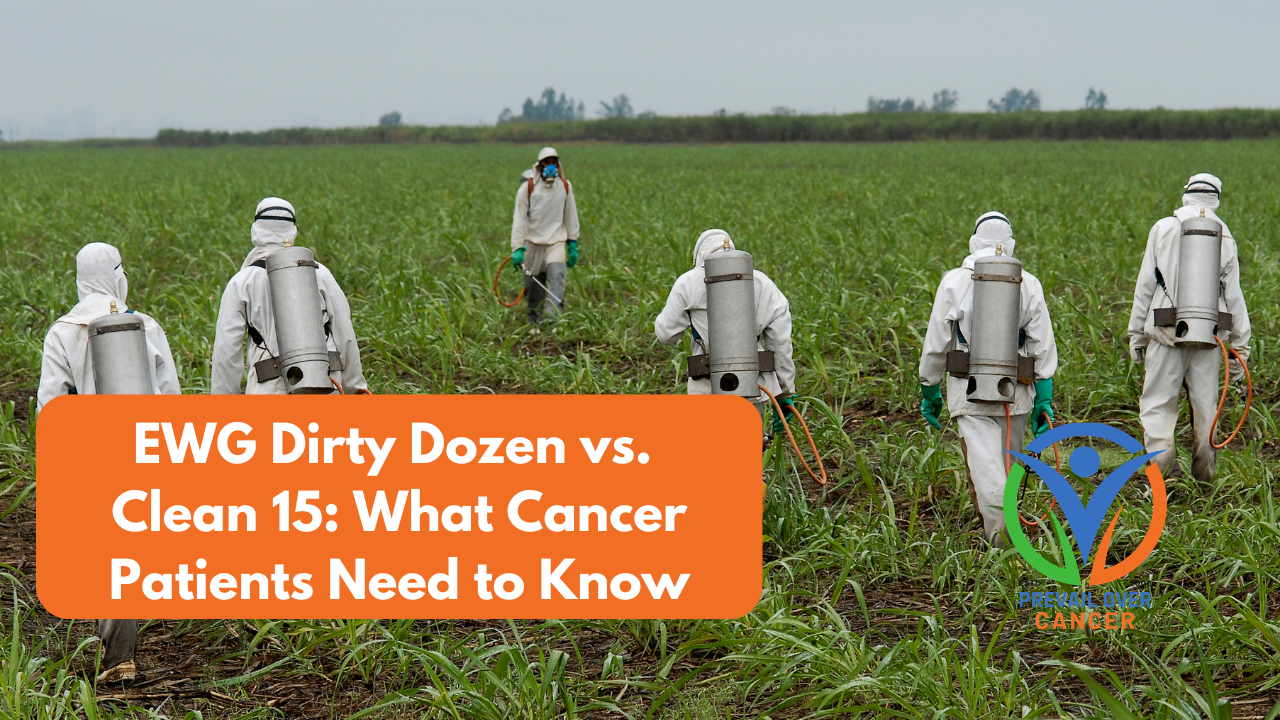
How to shop strategically, reduce pesticide exposure, and wash your produce the right way — including the evidence-based baking soda method.
If you or someone you love is navigating a cancer diagnosis, the food choices you make every single day matter. Not just in terms of nutrition, but in terms of what may be riding along on your produce when it arrives at your plate.
Every year, the Environmental Working Group (EWG) analyzes data from the U.S. Department of Agriculture (USDA) and the Food and Drug Administration (FDA) to identify which fruits and vegetables carry the highest — and lowest — levels of pesticide residues. Their findings are published as two iconic lists: the Dirty Dozen™ and the Clean 15™.
At Prevail Over Cancer, we follow the principle: Prevail. Assess. Don't Guess.™ That means making informed decisions grounded in real data — including the data on what's sprayed on your food.
This guide will walk you through both lists, explain why pesticide exposure matters in t...
Lectins and Cancer - You will be surprised!
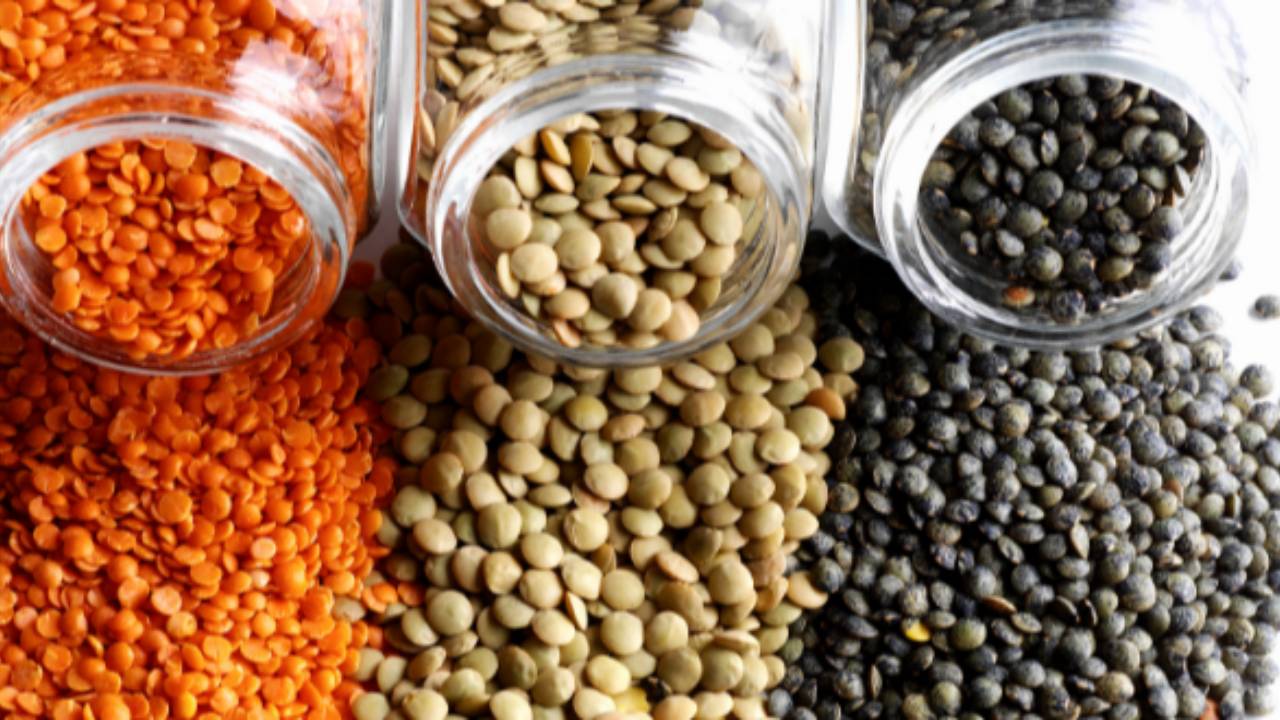
Plant lectin impacts on cancer cells, risks, and treatments.
Written by Keith Bishop, Clinical Nutritionist, Clinical Nutritionist, Retired Pharmacist, Founder of Prevail Over Cancer
What are Lectins?
Lectins are a type of protein found in many plant-based foods such as fruits, vegetables, and whole grains. According to a 2015 review out of China published in the Cell Proliferation, plant lectins can modify the expression of specific immune cells and alter signaling pathways to help kill off cancer cells and block tumor growth.[a]
How Lectins Interact with Cancer Cells
Interestingly, some lectins are used to detect and diagnose cancer cells. Lectins manifest diverse activities, including inhibiting virus, and antitumor, antifungal, and anti-insect activities. Others are used for therapeutic purposes because of their anti-tumor activity and ability to trigger cancer cell death.[b]
Plant lectins attach to cancer cells and induce their cell death through autophagy (the body break...
Author

Keith Bishop
Clinical Nutritionist, Cancer Coach, Retired Pharmacist, Author
Keith Bishop founded Prevail Over Cancer and is a passionate advocate for cancer awareness and research. With a background in pharmacy and clinical nutrition I’m dedicated to providing insightful and empowering information to help clients, survivors, and caregivers navigate their journey. From personal experiences and a commitment to holistic health, Keith aims to inspire and support the cancer community through comprehensive and accessible content.
Join over 8,000 subscribers!
Get access to Keith's Prevail Over Cancer Newsletter with news, blogs, and updates!
Recent Posts
Blog Post Topics
All Categories- microbiome modulation in oncology
25 hydroxyvitamin d cancer prevention
active hexose correlated compound
akkermansia and chemotherapy synergy
akkermansia and gastric cancer
akkermansia and radiation therapy
akkermansia muciniphila and cancer