
Calcium D-Glucarate: The Enzyme Blocker That Supports Hormonal Detox and Cancer Chemoprevention
By Keith Bishop | Clinical Nutritionist, Cancer Coach, Retired Pharmacist | Prevail Over Cancer
If your liver has already done the hard work of neutralizing a toxin or excess hormone — but your gut is quietly undoing all of that work before it can leave your body — you have an enzyme problem.
That enzyme is called beta-glucuronidase. And one of the most-researched natural compounds for addressing it is calcium D-glucarate.
In this post, we'll break down exactly what calcium D-glucarate is, how it works at the biochemical level, what the research shows across multiple cancer types, and where it fits inside a comprehensive integrative oncology protocol.
What Is Calcium D-Glucarate?
Calcium D-glucarate is the calcium salt of D-glucaric acid — a naturally occurring compound produced in small amounts by the human body and found abundantly in a variety of plant foods. The calcium is there for stability in supplement form. The active ingredient is the glucarate portion.
Glucaric acid is found in the highest concentrations in:
- Oranges and grapefruit
- Apples
- Cruciferous vegetables — broccoli, cabbage, Brussels sprouts, kale, cauliflower
- Spinach and carrots
Once you consume it — either through food or supplementation — calcium D-glucarate is converted in the gastrointestinal tract into its active metabolite: D-glucaro-1,4-lactone (1,4-GL). This is the compound that does the work.
Key point: Calcium D-glucarate is not a drug. It is a naturally occurring compound that works with your body's existing detoxification machinery to improve the efficiency of hormonal and carcinogen elimination.
The Biochemistry: How It Actually Works
Phase II Liver Detoxification and Glucuronidation
To understand why calcium D-glucarate matters, you need to understand glucuronidation — one of the most important Phase II liver detoxification pathways.
In Phase II detox, your liver uses an enzyme called UDP-glucuronosyltransferase (UGT) to attach glucuronic acid to toxins, carcinogens, and steroid hormones. This process — called glucuronidation — converts these fat-soluble compounds into water-soluble glucuronide conjugates that can be safely excreted in bile or urine.
Things that get processed through glucuronidation include:
- Excess estrogen and estrogen metabolites
- Environmental carcinogens (polycyclic aromatic hydrocarbons, nitrosamines)
- Bilirubin and other metabolic waste
- Many pharmaceuticals and xenobiotics
The Beta-Glucuronidase Problem
Here's where the problem emerges. The gut microbiome produces an enzyme called beta-glucuronidase. Certain bacteria — including E. coli and various anaerobes — secrete this enzyme in the intestinal tract.
Beta-glucuronidase cleaves (deconjugates) the glucuronide bond — essentially undoing what the liver just did. The toxin or hormone is now released back into the intestinal environment, where it can be reabsorbed into the bloodstream.
Think of it this way: your liver packaged up excess estrogen and tagged it for removal. Beta-glucuronidase cuts off the tag. Now that estrogen re-enters circulation, your liver has to process it all over again.
Chronically elevated beta-glucuronidase activity has been associated in research with:
- Increased risk of hormone-sensitive cancers (breast, prostate, colon)
- Higher circulating estrogen levels
- Impaired elimination of environmental carcinogens
- Gut dysbiosis and inflammatory bowel conditions

Learn about ProtiSorb™ enhanced polyphenol absorption.
How Calcium D-Glucarate Interrupts This Cycle
When you supplement with calcium D-glucarate, it is converted to D-glucaro-1,4-lactone (1,4-GL) in the stomach under acidic conditions. This metabolite is a potent competitive inhibitor of beta-glucuronidase.
By blocking beta-glucuronidase, calcium D-glucarate allows the liver's glucuronidation process to proceed to completion — meaning conjugated toxins and hormones are actually excreted rather than recycled.
Animal studies have documented that a single dose of calcium D-glucarate inhibited beta-glucuronidase activity in serum and multiple tissues, including liver, lung, and intestinal microsomes. Chronic supplementation also reduced beta-glucuronidase activity in the bacterial flora of both the small intestine and colon.
Anticancer Actions: What the Research Shows
The majority of research on calcium D-glucarate comes from animal and in vitro studies. While human clinical trials remain limited, the mechanistic and preclinical data are compelling — particularly for hormone-sensitive cancers. Here is what has been studied:
Breast Cancer and Calcium D-Glucarate
Breast cancer is the area where most research on calcium D-glucarate has focused. The connection is direct: estrogen promotes proliferation of hormone receptor-positive (ER+) breast cancer cells, and elevated beta-glucuronidase increases circulating estrogen.
Key findings from the research:
- Dietary calcium D-glucarate reduced mammary tumor development by over 70% in chemically induced rat models.
- Calcium D-glucarate works by inhibiting the promotion phase of mammary carcinogenesis — decreasing endogenous levels of estradiol and precursors of 17-ketosteroids.
- It has been studied as a chemopreventive agent in breast cancer, with researchers proposing it may change the internal hormonal environment and directly detoxify environmental carcinogens involved in breast cancer.
- Some breast cancer patients self-medicate with calcium D-glucarate post-surgery or following adjunctive treatments to support estrogen elimination.
Colon Cancer and Calcium D-Glucarate
Beta-glucuronidase is produced in large quantities by colonic microflora, making the colon a primary site of concern. Elevated colonic beta-glucuronidase allows carcinogens — including nitrosamines and polycyclic aromatic hydrocarbons — to be released from glucuronide conjugates and reabsorbed through the intestinal wall.
Research findings:
- Potassium hydrogen D-glucarate inhibited azoxymethane-induced rat colon carcinogenesis.
- Glucarate reduced intestinal carcinogenesis in rat models.
- Supplementation significantly inhibited beta-glucuronidase activity by 70% in small intestinal flora and 54% in colonic flora in chronic animal studies.
- D-glucarate has been shown to exhibit antiproliferative properties in colon tissue in vivo.
Lung Cancer and Calcium D-Glucarate
Studies on D-glucarate and lung tumorigenesis have produced notable findings:
- D-glucaro-1,4-lactone and its precursors detoxify chemical carcinogens that undergo glucuronidation and inhibit chemically induced experimental tumorigenesis in lung tissue.
- Modulation of biomarkers during chemoprevention of mouse lung tumorigenesis by D-glucarate has been documented, suggesting activity in the post-initiation phase.
- A mouse study found that calcium D-glucarate supplementation halted lung tumor growth by inducing apoptosis and reducing inflammation.
- Research also found that cancer patients have reduced blood levels of D-glucaric acid compared to healthy individuals — suggesting glucarate deficiency may be a marker of detoxification impairment.
Liver Cancer and Calcium D-Glucarate
Calcium glucarate has been studied as an inhibitor of liver carcinogenesis:
- In diethylnitrosamine-initiated hepatocarcinogenesis models, dietary calcium glucarate significantly delayed the development of altered hepatic foci.
- Dietary glucarate-mediated inhibition of diethylnitrosamine-induced hepatocarcinogenesis was documented, with reduced beta-glucuronidase activity in liver microsomes following chronic supplementation.
Skin Cancer and Calcium D-Glucarate
Multiple studies have examined calcium D-glucarate in skin cancer models:
- Calcium glucarate prevented tumor formation in mouse skin when animals were exposed to carcinogens.
- Calcium D-glucarate was found to inhibit PARP expression, reverse mutant-p53 overexpression, and reverse Bcl-2 overexpression in carcinogen-exposed mouse epidermis — suggesting apoptosis induction as a mechanism.
- It inhibited the progression of skin cancer via apoptosis in a 2007 animal study.
- Calcium glucarate also inhibited oral carcinogenesis in hamster models.
Prostate Cancer and Calcium D-Glucarate
Prostate cancer is androgen-sensitive, and because calcium D-glucarate affects steroidogenesis broadly, it has been studied in this context:
- Beta-glucuronidase is elevated in prostate cancer tissue, and glucuronidation affects androgen metabolism and testosterone bioavailability.
- D-glucaro-1,4-lactone and its precursors may exert anticancer action in part through alterations in steroidogenesis, accompanied by changes in the hormonal environment.
- Population data suggest that older men with higher BMI and certain dietary patterns have elevated beta-glucuronidase — a risk factor for hormone-dependent cancer development. The dietary patterns include: high fat, high protein, low fiber, low vegetable intake, and alcohol consumption.
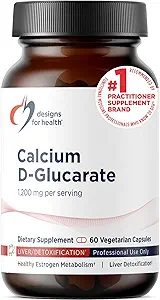
Click here to learn how to get a quality Calcium D-Glucarate.
Estrogen-Sensitive Cancers: Where CDG Research Has the Strongest Rationale
One of the most important questions in integrative oncology is which cancer types have the strongest case for calcium D-glucarate as a supportive intervention. The answer depends on two factors working together: (1) whether elevated estrogen or impaired estrogen clearance is a recognized driver of that cancer, and (2) whether glucarate compounds have been directly tested in a model of that cancer. The table below reflects that synthesis, drawing on the research reviewed in this article and the preceding discussions of esophageal, gastric, cervical, and ovarian cancers.
All evidence cited is preclinical (animal models or in vitro) unless otherwise noted. No human clinical trials have confirmed cancer prevention or treatment outcomes for calcium D-glucarate in any of these cancer types.
|
Cancer Type |
Estrogen Sensitive |
Direct CDG Research |
Key Finding / Rationale |
|
Breast Cancer (ER+) |
✓ Strong |
✓ Yes |
Reduced mammary tumor development by >70% in rat models; inhibits the promotion phase via estradiol reduction; the most studied cancer type for CDG. (PMID: 7744577) |
|
Endometrial Cancer |
✓ Strong |
∼ Indirect |
Strongly estrogen-driven (unopposed estrogen is the primary risk factor). Research on the estrobolome identifies endometrial cancer as a key target for beta-glucuronidase modulation. No direct CDG animal model study located; the mechanistic case is strong. |
|
Ovarian Cancer |
✓ Yes |
∼ Indirect |
Higher circulating estradiol is linked to elevated ovarian cancer risk. Beta-glucuronidase-producing gut microbiota (Enterobacteriaceae) were identified as a mechanistic contributor. Two proposed pathways: enterohepatic estrogen recirculation and gut GUS secretion. No direct CDG model study located. (PMC10416750) |
|
Cervical Cancer |
∼ Partial |
✓ Yes |
Calcium glucarate reduced cervical cancer incidence by 20.4% in the DMBA-induced mouse model. Driven primarily by PAH carcinogen detoxification (not estrogen). Estrogen plays a co-promotional role in cervical cancer progression. (PMID: 23607211) |
|
Prostate Cancer |
∼ Androgen / Estrogen |
✓ Yes |
Driven primarily by androgens, estrogen plays a secondary role. Beta-glucuronidase is elevated in prostate tissue. CDG affects steroidogenesis and androgen metabolism. Elevated beta-glucuronidase is a documented risk biomarker. (PMID: 12197785) |
|
Colon Cancer |
∼ Partial |
✓ Yes |
Estrogen receptor beta (ER-beta) has a protective role in colon tissue; estrogen loss post-menopause increases colon cancer risk. Beta-glucuronidase inhibited 54–70% in colonic flora by CDG supplementation. Direct inhibition of azoxymethane-induced colon carcinogenesis is documented. (PMID: 2346674) |
|
Lung Cancer |
∼ Emerging |
✓ Yes |
Estrogen receptor expression is documented in lung adenocarcinoma (especially in women and never-smokers). CDG directly reduced benzo[a]pyrene lung lesions, suppressed K-ras and p53 mutations, and inhibited lung tumor growth via apoptosis and anti-inflammatory activity in mouse models. |
|
Liver Cancer |
∼ Partial |
✓ Yes |
Estrogen receptor expression is present in hepatocellular carcinoma; estrogen is partially protective in premenopausal women. CDG significantly delayed and altered the development of hepatic foci in diethylnitrosamine-initiated rat models and inhibited the progression of hepatocarcinogenesis. |
|
Esophageal Cancer |
Low / Indirect |
✓ Yes |
Calcium glucarate reduced the number of esophageal tumors by 44.3% in the MBNA-induced rat model. Driven by nitrosamine carcinogen detoxification via glucuronidation, not estrogen. Higher NNN-glucuronide excretion is independently protective against esophageal cancer in smokers. (PMID: 23607211) |
|
Skin Cancer |
Low |
✓ Yes (strong) |
Not primarily estrogen-driven. One of the most mechanistically detailed CDG studies: reversal of mutant p53 and Bcl-2 overexpression, caspase activation, and apoptosis induction in DMBA-exposed mouse epidermis. Also inhibited PAH-DNA binding and carcinogen metabolic activation. (PMID: 17725531) |
Table legend: ✓ = confirmed research (direct CDG or glucarate animal/in vitro study) | ∼ = mechanistic/indirect evidence only. All research is preclinical unless otherwise noted. Human clinical trials are lacking for all cancer types.
✅Together — We Prevail Over Cancer!™👊
This blog is part of the Prevail Over Cancer educational platform. For personalized cancer coaching, visit our Cancer Coaching page or explore our POC Academy.
Multiple Anticancer Mechanisms at Work
Calcium D-glucarate does not operate through a single mechanism. The research points to several converging pathways:
- Beta-glucuronidase inhibition
The primary mechanism prevents the deconjugation of glucuronide-bound carcinogens and hormones, allowing complete excretion.
- Estrogen metabolism support
Promotes clearance of estrogen and its metabolites, reducing circulating estrogen and potentially lowering ER+ cancer promotion.
- Apoptosis induction
Multiple animal studies have documented that calcium D-glucarate induces apoptosis (programmed cell death) in carcinogen-exposed tissues, including by suppressing Bcl-2 and mutant p53.
- Antiproliferative effects
D-glucaro-1,4-lactone and its precursors exhibit potent antiproliferative properties in vivo across multiple tissue types.
- Carcinogen detoxification
Enhances the elimination of polycyclic aromatic hydrocarbons, nitrosamines, and other chemical carcinogens through improved glucuronidation.
- Steroidogenesis modulation
Alters the hormonal environment by affecting steroid hormone metabolism — relevant to both breast and prostate cancer biology.
- Inflammation reduction
Calcium D-glucarate also appears to possess anti-inflammatory properties, which may contribute to its chemopreventive profile.
Who May Benefit From Calcium D-Glucarate?
From an integrative oncology standpoint, calcium D-glucarate is most relevant for individuals who:
- Have been diagnosed with estrogen receptor-positive (ER+) breast cancer
- Have elevated circulating estrogen or estrogen dominance
- Are working to support Phase II liver detoxification
- Have a history of exposure to environmental carcinogens
- Have gut dysbiosis or elevated beta-glucuronidase activity
- Are you supporting colon, prostate, lung, or liver health
- Are using integrative strategies to reduce cancer recurrence risk
- Show reduced D-glucaric acid levels on organic acids testing
From a pharmacist's perspective: glucaric acid deficiency may be an underappreciated marker of impaired detoxification capacity. Anyone with a chronic toxin or hormone burden — whether from the environment, diet, or endogenous production — is a reasonable candidate for a discussion of this compound.
Dietary Sources of Glucaric Acid
You can increase your glucaric acid intake through whole foods. The highest concentrations are found in:
- Oranges and grapefruit — among the richest sources
- Apples
- Cruciferous vegetables — broccoli, cabbage, Brussels sprouts, cauliflower, kale
- Spinach and carrots
- Bean sprouts and grapes
While dietary sources are beneficial and should always be the foundation, supplemental calcium D-glucarate delivers much higher and more consistent concentrations of the active metabolite than diet alone can typically provide — particularly in a therapeutic context.
Dosage Considerations
Clinical and research use of calcium D-glucarate has employed a range of doses. Here is what the published literature indicates:
- A Phase I dose-escalation study found no unusual toxicity at doses up to 9.0 g/day. The compound was well-tolerated even at the highest doses tested.
- Animal and preliminary human studies used a 4% dietary supplementation, which, in practical terms, corresponds to several grams per day for therapeutic effect in cancer prevention models.
- Integrative practitioners typically use 500 mg to 3,000 mg per day in divided doses for general detoxification and hormonal support.
- Higher doses (3,000–9,000 mg/day) have been used in cancer prevention research protocols.
- D-glucaric acid is eliminated in urine — excess is cleared renally, which contributes to its favorable safety profile.
Important: Dosage decisions should always be individualized and made in collaboration with a qualified healthcare professional familiar with your full clinical picture, medications, and health history.
Safety Profile and Drug Interactions
General Safety
Calcium D-glucarate has a favorable safety profile based on the available evidence:
- No side effects or toxicity were reported in preliminary human studies.
- Even at extremely high doses, excess glucaric acid is eliminated through the urine.
- It is a naturally occurring compound produced endogenously and consumed routinely through the diet.
- No known contraindications have been established in healthy adults.
Drug Interactions — The Key Concern
Because calcium D-glucarate enhances Phase II glucuronidation, it may accelerate the metabolism and elimination of drugs processed by this pathway. This is the most clinically important interaction to understand.
Medications to exercise caution with include:
- Acetaminophen (Tylenol)
- Statins (atorvastatin/Lipitor, etc.)
- Benzodiazepine (diazepam/Valium, etc.)
- Digoxin
- Opioids and anticonvulsants
- Some antibiotics (kanamycin)
- Hormone therapies are processed through glucuronidation
Alcohol may also increase the rate at which the body clears calcium D-glucarate, potentially reducing its effectiveness.
As a retired pharmacist, I want to be clear: this is not a reason to avoid calcium D-glucarate — it is a reason to have a detailed conversation with your healthcare team. Anyone on glucuronidated medications should have their drug levels monitored if adding this supplement, particularly at higher doses.
Who Should Avoid It
- Pregnant or nursing women — insufficient safety data; avoid supplementation
- Individuals with kidney disease — discuss with provider as renal clearance is the elimination route
- Anyone on medications processed through Phase II glucuronidation at therapeutic levels — dose timing and monitoring may be needed
Where Calcium D-Glucarate Fits in the Prevail Protocol
When I use it, I pair it with:
- Sulforaphane — which activates Phase II enzymes (Nrf2 pathway) and complements glucuronidation support - BroccoProtect
- Probiotics — to shift the gut microbiome toward lower beta-glucuronidase-producing bacteria - Complete Commensal Probiotic
- PectaSol (Modified Citrus Pectin) — for galectin-3 blockade and metastasis prevention, particularly relevant in hormone-driven cancers - PectaSol
- DIM or I3C — for direct estrogen metabolite modulation, working alongside calcium D-glucarate for a more complete hormonal detox strategy - ProstateSupreme, DIM-Evail
The goal is not to suppress estrogen at all costs — it is to support complete, efficient clearance of conjugated estrogen metabolites so they are excreted rather than reactivated. Calcium D-glucarate is a precise, mechanism-driven tool for exactly that purpose.
Limitations and Research Gaps
It would be intellectually dishonest not to name the evidence limitations:
- The overwhelming majority of calcium D-glucarate research is in animal models and in vitro studies. Human clinical trials are sparse.
- No randomized controlled trials have confirmed cancer prevention or treatment outcomes in humans.
- Optimal human dosing for specific cancer types has not been established.
- Long-term safety data from high-dose supplementation are not available from human trials.
That said, the mechanistic plausibility is strong, the safety profile is favorable, it is naturally occurring, and the preclinical data are consistent across multiple cancer types. For integrative oncology clients, the risk-benefit calculation — particularly for hormone-sensitive cancers — is often favorable when properly considered.
The Bottom Line
Calcium D-glucarate works by supporting one of the most underappreciated steps in cancer prevention: making sure your liver's detoxification work is not silently undone by a gut enzyme.
Inhibiting beta-glucuronidase allows glucuronide-conjugated carcinogens, excess estrogen, and tumor promoters to be fully excreted, rather than recycled back into circulation, where they can drive proliferation.
The preclinical evidence across breast, colon, liver, lung, skin, and prostate cancer models is consistent. Human trials are needed. But as part of a comprehensive, individualized integrative oncology approach — with appropriate attention to drug interactions and dosing — calcium D-glucarate is a mechanistically sound, naturally derived compound worth knowing about.
It is not a magic bullet. No single compound is. But it may be an important piece of your puzzle — especially if estrogen, environmental toxins, or gut health are part of your cancer picture.
Prevail Over Cancer Resources
Learn more about integrative oncology strategies and support:
Learning Center: https://www.prevailovercancer.com/learning-center
POC Academy: https://www.prevailovercancer.com/academy
Cancer Coaching: https://www.prevailovercancer.com/coaching
YouTube Podcast: https://youtube.com/@prevailovercancer?si=1umcWNH1vh_5-NdN
Calcium D-Glucarate References
- Walaszek Z, Szemraj J, Narog M, et al. Metabolism, uptake, and excretion of a D-glucaric acid salt and its potential use in cancer prevention. Cancer Detect Prev. 1997;21(2):178-90. PMID: 9101079
- Calcium-D-glucarate Altern Med Rev. 2002;7(4):336-9. PMID: 12197785
- Singh J, Gupta KP. Induction of apoptosis by calcium D-glucarate in 7,12-dimethyl benz [a] anthracene-exposed mouse skin. J Environ Pathol Toxicol Oncol. 2007;26(1):63-73. PMID: 17725531
- Heerdt AS, Young CW, Borgen PI. Calcium glucarate as a chemopreventive agent in breast cancer. Isr J Med Sci. 1995;31:101-5. PMID: 7744577
- Dwivedi C, Heck WJ, Downie AA, et al. Effect of calcium glucarate on beta-glucuronidase activity and glucarate content of certain vegetables and fruits. Biochem Med Metab Biol. 1990;43:83-92. PMID: 2346674
- Yoshimi N, et al. Inhibition of azoxymethane-induced rat colon carcinogenesis by potassium hydrogen D-glucarate. Int J Oncol. 2000;16:43-8. https://pubmed.ncbi.nlm.nih.gov/10601547/
- Walaszek Z, Hanausek M, Narog M, et al. Mechanisms of lung cancer chemoprevention by D-glucarate. 2004;125(5 Suppl):149S-150S. https://pubmed.ncbi.nlm.nih.gov/15136472/
- Singh J, Gupta KP. Calcium glucarate prevents tumor formation in mouse skin. Biomed Environ Sci. 2003;16(1):9-16. https://pubmed.ncbi.nlm.nih.gov/12747003/
- Abou-issa H, et al. Relative efficacy of glucarate on the initiation and promotion phases of rat mammary carcinogenesis. Anticancer Res. 1995;15:805-10. https://pubmed.ncbi.nlm.nih.gov/7645962/
- Lajolo C, Sgambato A, Maiorano E, et al. Calcium glucarate inhibits DMBA-induced oral carcinogenesis in the hamster: histomorphometric evaluation. Anticancer Res. 2010;30(3):843-9. https://pubmed.ncbi.nlm.nih.gov/20393005/
Educational Disclaimer
This content is for educational purposes only and is not intended to diagnose, treat, cure, or prevent any disease. These statements have not been evaluated by the Food and Drug Administration. Always consult with a qualified healthcare professional before making any changes to your health protocol. This information should not replace individualized medical advice.
Keith Bishop | Clinical Nutritionist, Cancer Coach, Retired Pharmacist, Integrative Oncology Educator | Founder of Prevail Over Cancer
Author

Keith Bishop
Clinical Nutritionist, Cancer Coach, Retired Pharmacist, Author
Keith Bishop founded Prevail Over Cancer and is a passionate advocate for cancer awareness and research. With a background in pharmacy and clinical nutrition I’m dedicated to providing insightful and empowering information to help clients, survivors, and caregivers navigate their journey. From personal experiences and a commitment to holistic health, Keith aims to inspire and support the cancer community through comprehensive and accessible content.
Join over 8,000 subscribers!
Get access to Keith's Prevail Over Cancer Newsletter with news, blogs, and updates!
Recent Posts
Blog Post Topics
All Categories- microbiome modulation in oncology
25 hydroxyvitamin d cancer prevention
active hexose correlated compound
akkermansia and chemotherapy synergy
akkermansia and gastric cancer
akkermansia and radiation therapy
akkermansia muciniphila and cancer