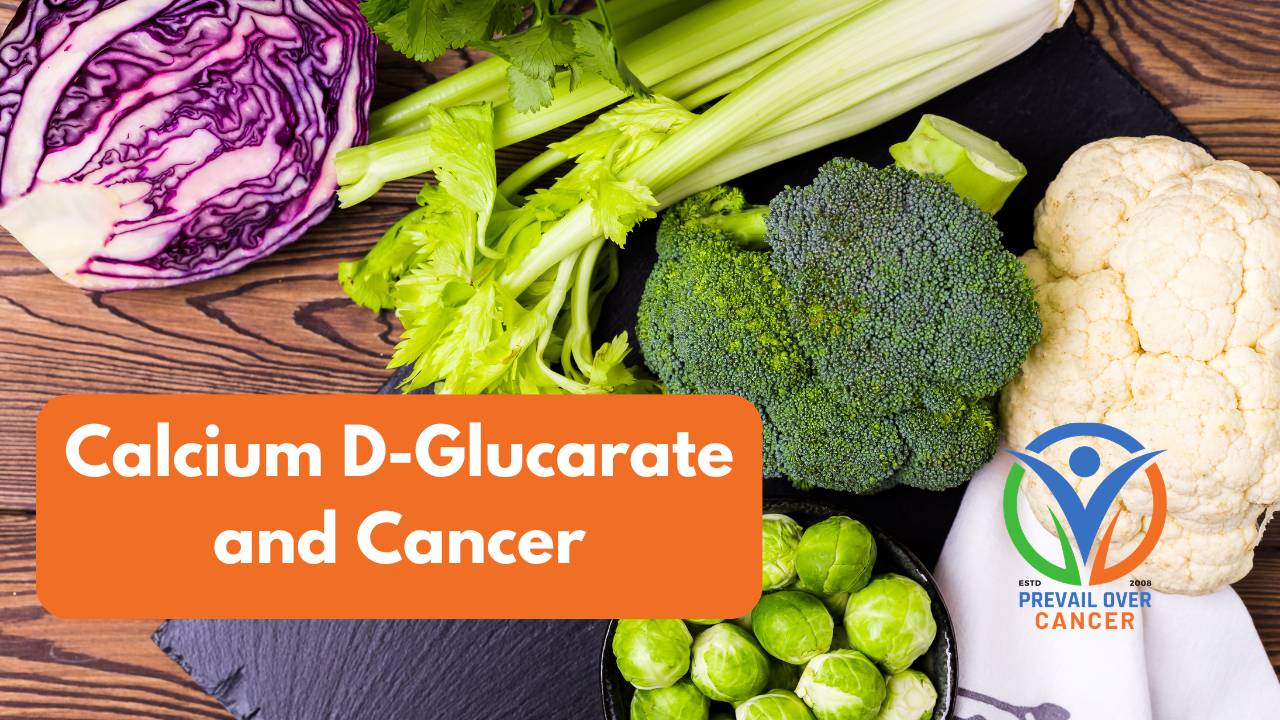
Calcium D-Glucarate: The Enzyme Blocker That Supports Hormonal Detox and Cancer Chemoprevention
By Keith Bishop | Clinical Nutritionist, Cancer Coach, Retired Pharmacist | Prevail Over Cancer
If your liver has already done the hard work of neutralizing a toxin or excess hormone — but your gut is quietly undoing all of that work before it can leave your body — you have an enzyme problem.
That enzyme is called beta-glucuronidase. And one of the most-researched natural compounds for addressing it is calcium D-glucarate.
In this post, we'll break down exactly what calcium D-glucarate is, how it works at the biochemical level, what the research shows across multiple cancer types, and where it fits inside a comprehensive integrative oncology protocol.
What Is Calcium D-Glucarate?
Calcium D-glucarate is the calcium salt of D-glucaric acid — a naturally occurring compound produced in small amounts by the human body and found abundantly in a variety of plant foods. The calcium is there for stability in supplement form. The active ingredient is the glucarate portion.
Glucaric a...
The Power of Beans: A Weapon Against Cancer

Beans and Legumes are a much-needed weapon against cancer.
Beans and legumes, the humble staples of many global cuisines, are gaining recognition in the scientific community for their potential role in reducing the risk and mortality of many diseases and cancer. This blog post will delve into the research behind these claims, shedding light on why I put beans and legumes in my Cancer Food Pyramid Tactic.
What are Beans and Legumes?
Beans and legumes are the fruits or seeds of a family of plants called Fabaceae. They are rich sources of fiber, essential vitamins and minerals, and plant-based protein. Common examples include chickpeas, lentils, peas, kidney beans, black beans, soybeans, pinto beans, navy beans, and peanuts.[1]
Learn How to Select a Quality Dietary Supplement
Nutritional Powerhouses
Beans and legumes are high in minerals and fiber without the saturated fat found in some animal proteins. They are rich in plant protein, fiber, B-vitamins, iron, folate, calcium,...
Author

Keith Bishop
Clinical Nutritionist, Cancer Coach, Retired Pharmacist, Author
Keith Bishop founded Prevail Over Cancer and is a passionate advocate for cancer awareness and research. With a background in pharmacy and clinical nutrition I’m dedicated to providing insightful and empowering information to help clients, survivors, and caregivers navigate their journey. From personal experiences and a commitment to holistic health, Keith aims to inspire and support the cancer community through comprehensive and accessible content.
Join over 8,000 subscribers!
Get access to Keith's Prevail Over Cancer Newsletter with news, blogs, and updates!
Recent Posts
Blog Post Topics
All Categories- microbiome modulation in oncology
25 hydroxyvitamin d cancer prevention
active hexose correlated compound
akkermansia and chemotherapy synergy
akkermansia and gastric cancer
akkermansia and radiation therapy
akkermansia muciniphila and cancer