
IV Vitamin C for Cancer: Mechanisms, Dosing, Safety & Clinical Use
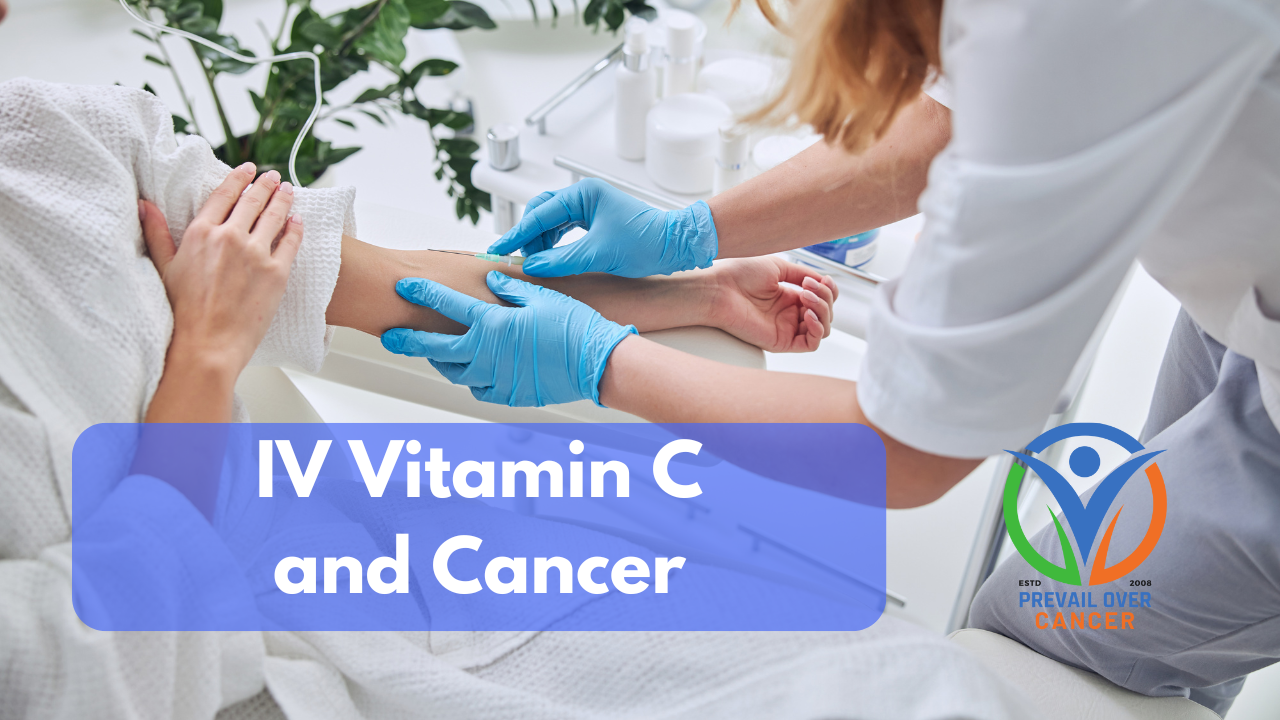
The Anticancer Actions of IV Vitamin C: Mechanisms, Dosing, Safety Labs, and Integration with Oncology Care
Researched and written by Keith Bishop, Clinical Nutritionist, Cancer Coach, and Founder of Prevail Over Cancer™, and the Prevail Protocol™
High-dose intravenous vitamin C (IVC) has reemerged as a promising adjunctive therapy in integrative oncology. Modern research highlights its unique pharmacology, potential anticancer mechanisms, and its ability to support patients undergoing chemotherapy, radiation, and immunotherapy. This guide breaks down the science, dosing considerations, safety labs, and clinical integration—supported by peer-reviewed medical literature.
What Makes IV Vitamin C Different From Oral Vitamin C?
Oral vitamin C absorption is tightly limited by intestinal transporters, which cap blood levels even at high doses. In contrast, IV administration bypasses intestinal absorption and produces blood concentrations 100–500× higher than those required for a...
How Much Coffee Fights Cancer? Evidence‑Based Benefits Explained
Does Coffee Protect Against Cancer? A Deep Dive into the Studies and Controversies
Researched and Written by Keith Bishop, Clinical Nutritionist, Cancer Coach, Retired Pharmacist, and Founder of Prevail Over Cancer
Coffee appears to have some significant cancer-fighting benefits.👏👏👏 According to 📚medical research, coffee is associated with a reduced risk of cancer. There’s even a study that found higher coffee consumption is associated with reduced mortality from colorectal cancer.
Several compounds found in coffee possess antioxidant, anti-inflammatory, and insulin-sensitizing effects, which may contribute to anticancer activity.
In most studies, 3 ☕️☕️☕️ or more cups daily provide better protection than 1 cup daily. If you are sensitive to caffeine, you may have to limit your consumption, dilute the coffee, drink early in the day, or switch to naturally decaffeinated. Naturally decaffeinated coffee will not have as many beneficial anti-cancer ingredients.
The strongest anticanc...
Allulose and Cancer: How Metabolic Sweeteners Influence Cancer Metabolism
A science-backed breakdown of allulose, xylitol, and other metabolic sweeteners — and how they shape glucose, insulin, oxidative stress, and the metabolic terrain that affects cancer growth.
"Allulose and Cancer” Is Becoming a Key Question
Researched and written by Keith Bishop, Integrative Cancer Educator, Clinical Nutritionist, Cancer Coach, Founder of Prevail Protocol™ and Prevail Over Cancer™, and Retired Pharmacist
Cancer cells rely heavily on glucose uptake and glycolysis, even when oxygen is available — the hallmark Warburg effect.[i] Because of this metabolic preference, sweeteners that raise glucose and insulin can create a terrain more favorable to cancer progression, while sweeteners that stabilize metabolic pathways may support better outcomes.
Among all sweeteners, allulose is emerging as one of the most metabolically unique, with early research suggesting potential relevance to cancer metabolism.
This article provides a deep, evidence-based look at allulose and ca...
Daily Intermittent Fasting and Cancer: How Time-Restricted Eating Can Influence Cancer Cell Growth and Reduce Risk
Emerging research shows that intermittent fasting may reshape metabolic pathways, lower growth signals, and create conditions that make cancer cells more vulnerable. Here’s what the science says.
Researched and written by Keith Bishop, Integrative Cancer Educator, Clinical Nutritionist, Cancer Coach, Retired Pharmacist, and Founder of the Prevail Protocol™ and Prevail Over Cancer.
Daily Intermittent Fasting and Cancer: What Science Really Shows
Intermittent fasting (IF) has moved from a weight‑loss trend to a serious area of oncology research. Scientists are now exploring how fasting windows—often 14 to 18 hours—may influence cancer risk, cancer cell metabolism, and even treatment response. While IF is not an official cancer treatment, emerging evidence suggests it may help create a metabolic environment that is less favorable for cancer development and progression.
Below, we break down what the research shows about daily intermittent fasting, its potential impact on cancer b...
T Cells: The Body’s Front Line Cancer Fighters — And How to Support Them Naturally
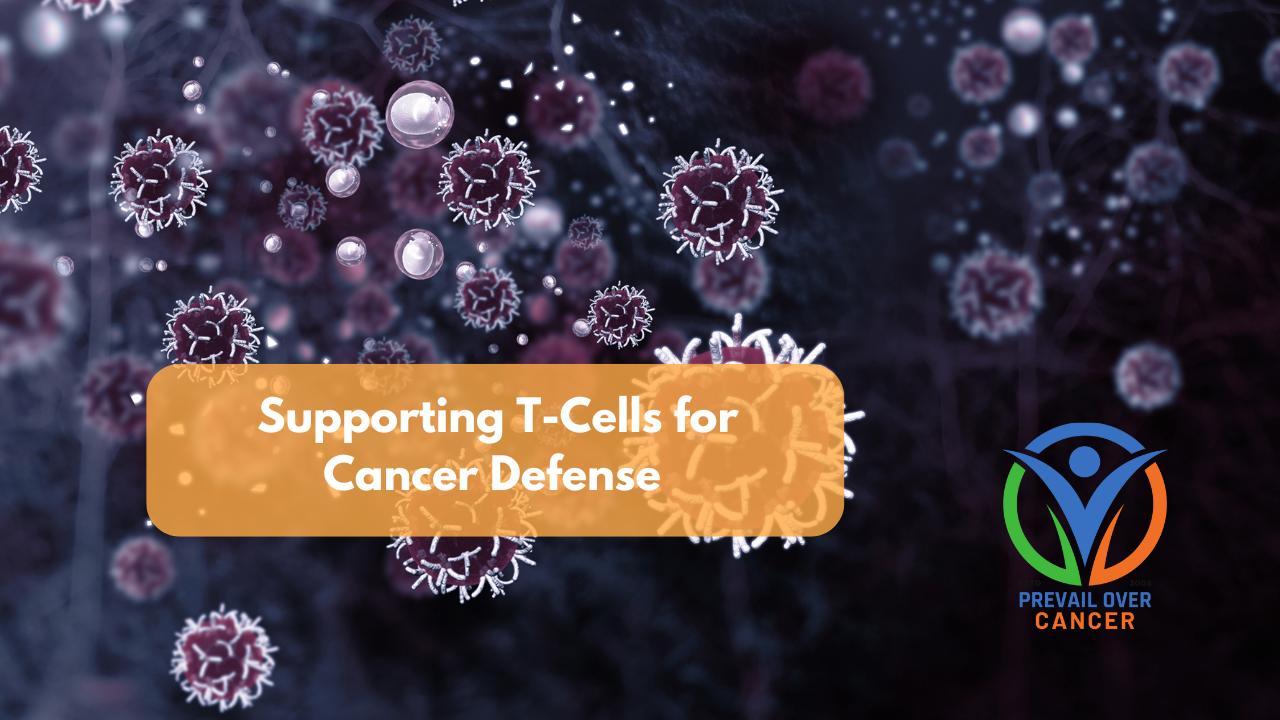
How T‑cells detect and destroy cancer cells, how immunotherapy strengthens them, and what lifestyle, nutrition, supplements, and repurposed medications may support healthy T‑cell function.
Researched and written by Keith Bishop, Integrative Cancer Educator, Cancer Coach, Clinical Nutritionist, Retired Pharmacist, and Founder of Prevail Over Cancer.
Why T‑Cells Matter More Than Ever in Cancer Defense
Over the last decade, T‑cells have become the centerpiece of modern cancer treatment. Immunotherapies such as checkpoint inhibitors, CAR T therapy, and cancer vaccines all work by activating or enhancing T cell function. This is because T‑cells are the immune system’s precision-guided assassins, capable of identifying and destroying cancer cells with extraordinary specificity.
A central review on T cells and cancer immunology emphasizes that T cells are the primary drivers of antitumor immunity, orchestrating both direct killing and broader immune coordination.[i] Without effective T‑ce...
Green Tea, Matcha, and Black Tea: Evidence-Backed Anticancer Benefits You Can Use Every Day
How Tea Polyphenols Support Cellular Health, Reduce Oxidative Stress, Counteract Damage from Processed Foods, and Reduce Cancer Risks
Tea is one of the most widely consumed beverages in the world—and one of the most researched. Green tea, matcha, and black tea all come from the Camellia sinensis plant, yet each offers unique anticancer benefits thanks to differences in processing, polyphenol content, and antioxidant potency.
For people with cancer and caregivers looking for simple, daily habits that support an anticancer lifestyle, tea is a powerful, evidence-supported place to start.
Smart Beverage Pairing Seminar Handout
Why Tea Matters for Cancer Prevention
Tea is rich in polyphenols, plant compounds that help protect cells from oxidative stress, inflammation, and DNA damage—three biological processes closely linked to cancer development.
The most studied polyphenols include:
- Catechins (especially EGCG) in green tea
- Theaflavins and thearubigins in black tea
- Concentrated c...
Healthy Holiday Foods for People with Cancer

An Evidence-Based, Empowering Holiday Cancer Food Guide
The holidays bring joy, connection, and celebration — but they can also bring stress around food, especially for people navigating cancer. Rich meals, sugary treats, and social pressure can leave you wondering:
“How can I enjoy the holidays without derailing my health?”
The truth is: you can enjoy festive meals while supporting your body’s healing terrain. With a few simple strategies, holiday foods can become nourishing, energizing, and deeply supportive of your well-being. BTW, you don't have to be perfect all the time!
Holiday Foods That Support Your Body During Cancer Treatment
Holiday meals naturally include many nutrient-dense foods that align with anticancer nutrition principles. The key is knowing which ones to lean into.
📖FREE: Seminar Handout Download: Healthy Holiday Foods for People with Cancer
Top Anticancer Holiday Foods
|
Food |
Key Nutrients |
Why It Helps |
|
Cranberries | ...
Do Binders Help Fight Cancer? Separating Hype from Evidence.
Exploring the claims, risks, and realities of binders in cancer care—from anecdotal buzz to scientific silence.
Researched and written by Keith Bishop, Integrative Cancer Educator, Cancer Coach, Clinical Nutritionist, Retired Pharmacist, and Founder of Prevail Over Cancer.
What Are “Binders” in Cancer Circles?
In integrative and alternative cancer communities, “binders” refer to substances that claim to “bind” toxins, heavy metals, microbial byproducts, or treatment-related metabolites in the gut. Popular examples include:
|
Binder Type |
Common Examples |
Claimed Function |
|
Clay-based |
Bentonite, zeolite |
Bind metals, mycotoxins |
|
Charcoal-based |
Activated charcoal |
Adsorb chemicals, reduce gas |
|
Fiber-based |
Psyllium, modified citrus pectin |
Trap bile acids, support detox |
|
Resin-based |
Cholestyramine |
Bind bile acids, reduce inflammation |
These are often promoted alongside repurposed drugs like ...
How Interferon Helps Your Body Fight Cancer

Foods, supplements, and lifestyle habits that support your immune system’s interferon natural defense.
Researched and written by Keith Bishop, Integrative Cancer Educator, Clinical Nutritionist, Cancer Coach, Retired Pharmacist, and Founder of Prevail Over Cancer.
What Is Interferon?
Interferons are natural proteins your body makes to help fight infections and abnormal cells—including cancer. They act like messengers, telling your immune system to wake up, attack, and clean up. There are three main types:
- Type I (IFN-α and IFN-β): These help stop cancer cells from growing and spreading.
- Type II (IFN-γ): This type activates immune cells to recognize and destroy cancer cells.
- Type III (IFN-λ): Mostly helps protect surfaces like your skin and gut, with growing interest in cancer research.
Interferons are so powerful that some cancer treatments use them directly or try to boost their effects.[i]
Foods That May Help Your Body Make More Interferon
Eating certain foods can suppor...
🍕Is Your Pizza Raising Your Cancer Risk?
Pizza’s dark side: burnt crust, processed meats, and blood sugar spikes can raise cancer risks—here’s what the science says.
Written by Keith Bishop, Integrative Cancer Educator, Clinical Nutritionist, Retired Pharmacist, and Founder of Prevail Over Cancer.
🔥Burnt Crust and Acrylamides: A Carcinogenic Combo?
When pizza crust is overcooked or charred, it can form acrylamides—chemical compounds linked to increased cancer risk. Acrylamides are especially prevalent in carbohydrate-rich foods cooked at high temperatures, such as baked goods and fried potatoes. Though research is ongoing, acrylamides are genotoxic (damage DNA) and carcinogenic in animal studies.
Additionally, the blackened edges of pizza crust may contain polycyclic aromatic hydrocarbons (PAHs) and heterocyclic amines (HCAs), both of which are formed during high-heat cooking and have been shown to damage DNA and promote cancer development.[i]
Learn more from the National Cancer Institute: Chemicals in Meat Cooked at ...
Author

Keith Bishop
Clinical Nutritionist, Cancer Coach, Retired Pharmacist, Author
Keith Bishop founded Prevail Over Cancer and is a passionate advocate for cancer awareness and research. With a background in pharmacy and clinical nutrition I’m dedicated to providing insightful and empowering information to help clients, survivors, and caregivers navigate their journey. From personal experiences and a commitment to holistic health, Keith aims to inspire and support the cancer community through comprehensive and accessible content.
Join over 8,000 subscribers!
Get access to Keith's Prevail Over Cancer Newsletter with news, blogs, and updates!
Recent Posts
Blog Post Topics
All Categories- microbiome modulation in oncology
25 hydroxyvitamin d cancer prevention
active hexose correlated compound
akkermansia and chemotherapy synergy
akkermansia and gastric cancer
akkermansia and radiation therapy
akkermansia muciniphila and cancer

